/* WriteArt Master Self-Contained Stylesheet v6.2 */
.ai-ultimate-article-body {
font-family: -apple-system, BlinkMacSystemFont, “Segoe UI”, Roboto, Oxygen-Sans, Ubuntu, Cantarell, “Helvetica Neue”, sans-serif;
line-height: 1.85;
color: #1e293b;
font-size: 18px;
max-width: 100%;
margin: 0 auto;
word-wrap: break-word;
}
.ai-ultimate-article-body p { margin-bottom: 22px; color: #334155; font-size: 18px; line-height: 1.8; }
.ai-ultimate-article-body h2 { font-size: 28px; font-weight: 700; color: #0f172a; margin-top: 45px; margin-bottom: 20px; line-height: 1.3; border-bottom: 2px solid #f1f5f9; padding-bottom: 10px; }
.ai-ultimate-article-body h3 { font-size: 22px; font-weight: 600; color: #1e293b; margin-top: 30px; margin-bottom: 15px; line-height: 1.4; }
/* In-Text Contextual & External Authority Links */
.ai-ultimate-article-body a:not(.ai-btn-amazon-gold):not(.ai-btn-amazon-cart):not(.azai-smart-cta):not(.writeart-modal-open-btn) {
color: #0284c7;
text-decoration: underline;
text-underline-offset: 3px;
font-weight: 600;
transition: color 0.2s ease;
}
.ai-ultimate-article-body a:hover { color: #0369a1; }
/* Quick Answer & Callouts */
.ssai-quick-answer-card, .ai-quick-answer {
background: linear-gradient(135deg, #f0f9ff 0%, #e0f2fe 100%);
border: 1px solid #bae6fd;
border-left: 5px solid #0284c7;
border-radius: 12px;
padding: 18px 22px;
margin: 28px 0;
box-shadow: 0 4px 15px rgba(2, 132, 199, 0.08);
color: #0c4a6e;
}
.ssai-quick-answer-card p strong, .ai-quick-answer h2 {
font-size: 17px !important; color: #0284c7 !important; display: block !important; margin: 0 0 6px 0 !important; font-weight: 800 !important;
}
.ssai-quick-answer-card p, .ai-quick-answer p { margin: 0 !important; color: #0c4a6e !important; font-size: 16px !important; line-height: 1.6 !important; }
/* Key Takeaways Card */
.ssai-takeaways-card, .ai-callout-info {
background: linear-gradient(135deg, #f0fdf4 0%, #dcfce7 100%);
border: 1px solid #bbf7d0;
border-left: 5px solid #16a34a;
border-radius: 12px;
padding: 20px 24px;
margin: 28px 0;
box-shadow: 0 4px 15px rgba(22, 163, 74, 0.08);
color: #14532d;
}
.ssai-takeaways-card p strong, .ai-callout-info h4 {
font-size: 17px !important; color: #16a34a !important; display: block !important; margin-bottom: 8px !important; border-bottom: 1px solid #bbf7d0 !important; padding-bottom: 6px !important; font-weight: 800 !important;
}
.ssai-takeaways-card ul, .ai-callout-info ul { margin: 0 !important; padding: 0 0 0 20px !important; list-style-type: disc !important; }
.ssai-takeaways-card li, .ai-callout-info li { color: #166534 !important; font-size: 15px !important; line-height: 1.6 !important; margin-bottom: 6px !important; }
/* Top 10 Product Comparison Table */
.ai-table-responsive { width: 100%; overflow-x: auto; -webkit-overflow-scrolling: touch; margin: 30px 0; border: 1px solid #e2e8f0; border-radius: 14px; background: #ffffff; box-shadow: 0 4px 12px rgba(0,0,0,0.04); }
.ai-table-responsive table { width: 100%; min-width: 720px; border-collapse: collapse; text-align: left; font-size: 14.5px; }
.ai-table-responsive th { background-color: #0f172a; color: #ffffff; font-weight: 700; padding: 14px 16px; white-space: nowrap; font-size: 13.5px; letter-spacing: 0.3px; }
.ai-table-responsive td { padding: 14px 16px; border-bottom: 1px solid #f1f5f9; color: #334155; vertical-align: middle; }
.ai-table-responsive tr:nth-child(even) { background-color: #f8fafc; }
.ai-comparison-product-image { max-height: 85px; width: auto; object-fit: contain; display: block; margin: auto; }
.ai-badge { display: inline-block; padding: 4px 10px; border-radius: 999px; font-weight: 800; font-size: 11px; white-space: nowrap; }
/* Reverse Product Review Box (No. 10 to No. 1) */
.ai-product-review-box { background: #ffffff; border: 1px solid #e2e8f0; border-radius: 18px; padding: 28px; margin: 45px 0; box-shadow: 0 6px 18px rgba(0,0,0,0.04); }
.ai-pros-cons-grid { display: grid; grid-template-columns: 1fr 1fr; gap: 16px; margin: 22px 0; }
.ai-pros-box, .ai-cons-box { border-radius: 10px; overflow: hidden; border: 1px solid #e2e8f0; background: #ffffff; }
.ai-pros-header { background: #16a34a; color: #ffffff; font-weight: 700; font-size: 14px; padding: 8px 14px; }
.ai-cons-header { background: #dc2626; color: #ffffff; font-weight: 700; font-size: 14px; padding: 8px 14px; }
.ai-pros-box ul, .ai-cons-box ul { list-style: none !important; margin: 0 !important; padding: 12px 16px !important; }
.ai-pros-box li, .ai-cons-box li { position: relative; padding-left: 20px; margin-bottom: 8px; font-size: 14px; line-height: 1.5; color: #334155; }
.ai-pros-box li::before { content: “✔”; position: absolute; left: 0; color: #16a34a; font-weight: bold; }
.ai-cons-box li::before { content: “✖”; position: absolute; left: 0; color: #dc2626; font-weight: bold; }
/* 100% Clickable Active Amazon Gold & Cart Buttons */
.ai-card-action-dual { display: flex; flex-direction: column; gap: 8px; margin: 18px 0; }
.ai-btn-amazon-gold { display: inline-flex; align-items: center; justify-content: center; gap: 6px; background: linear-gradient(135deg, #ffd814, #ffa41c); color: #0f172a !important; text-decoration: none !important; font-size: 13px; font-weight: 800; padding: 10px 18px; border-radius: 8px; box-shadow: 0 4px 10px rgba(255, 164, 28, 0.25); text-align: center; border: 1px solid #fcd200; transition: transform 0.15s; cursor: pointer; }
.ai-btn-amazon-gold:hover { background: linear-gradient(135deg, #f7ca00, #fa8900); transform: translateY(-1px); }
.ai-btn-amazon-cart { display: inline-flex; align-items: center; justify-content: center; gap: 6px; background: #f8fafc; color: #334155 !important; border: 1px solid #cbd5e1; text-decoration: none !important; font-size: 12px; font-weight: 700; padding: 8px 14px; border-radius: 6px; transition: all 0.15s; text-align: center; cursor: pointer; }
.ai-btn-amazon-cart:hover { background: #eff6ff; color: #2563eb !important; border-color: #93c5fd; }
/* In-Text Amazon Smart CTA */
.azai-smart-cta { display: inline-flex; align-items: center; gap: 6px; background: #f0f7ff !important; border: 1px solid #bfdbfe !important; color: #1d4ed8 !important; text-decoration: none !important; padding: 3px 10px 3px 4px !important; border-radius: 999px !important; font-size: 0.92em !important; font-weight: 700 !important; margin: 0 3px; vertical-align: middle; }
.azai-cta-badge { background: #ff9900; color: #0f172a; font-size: 9px; font-weight: 900; padding: 2px 6px; border-radius: 999px; }
/* Single Product Scorecard */
.ai-single-scorecard-box { background: linear-gradient(135deg, #0f172a, #1e293b); border: 1px solid #334155; border-radius: 18px; padding: 28px; color: #fff; margin: 35px 0; }
/* AZAI Recommended Tools Section */
.azai-pro-section { margin: 44px 0; border: 1px solid #e2e8f0; border-radius: 16px; overflow: hidden; background: #fff; box-shadow: 0 10px 30px -10px rgba(0,0,0,0.06); }
.azai-pro-header { background: linear-gradient(135deg, #0f172a, #1e293b); padding: 26px 30px; color: #fff; }
.azai-pro-badge { font-size: 9px; font-weight: 800; letter-spacing: 1.6px; color: #60a5fa; background: rgba(96, 165, 250, 0.12); padding: 4px 8px; border-radius: 4px; display: inline-block; margin-bottom: 8px; }
.azai-pro-title { font-size: 22px; color: #fff !important; margin: 0 0 8px !important; font-weight: 800; }
.azai-pro-intro { font-size: 14px; color: #cbd5e1 !important; margin: 0 !important; line-height: 1.55; }
.azai-pro-card { display: grid; grid-template-columns: 36px 100px minmax(0, 1fr) 200px; gap: 18px; padding: 22px 26px; align-items: center; border-bottom: 1px solid #f1f5f9; }
.azai-card-num { font-size: 16px; font-weight: 900; color: #94a3b8; }
.azai-card-media img { max-width: 100px; max-height: 100px; object-fit: contain; }
.azai-tool-kicker { font-size: 10px; font-weight: 800; text-transform: uppercase; color: #059669; letter-spacing: 0.6px; margin-bottom: 4px; }
.azai-card-title a { font-size: 15px; font-weight: 700; color: #0f172a !important; text-decoration: none !important; line-height: 1.35; }
.azai-card-meta { display: flex; align-items: center; gap: 8px; font-size: 12px; margin-top: 6px; }
.azai-star-badge { color: #b45309; background: #fef3c7; padding: 2px 7px; border-radius: 4px; font-weight: 800; }
/* FAQs Accordion with Clean Expand/Collapse Indicator */
.ai-faq-item { border: 1px solid #e2e8f0; border-radius: 12px; margin-bottom: 14px; background: #ffffff; overflow: hidden; }
.ai-faq-item details { padding: 18px 20px; }
.ai-faq-item summary { font-weight: 700; color: #0f172a; cursor: pointer; font-size: 17px; display: flex; justify-content: space-between; align-items: center; list-style: none; }
.ai-faq-item summary::-webkit-details-marker { display: none; }
.ai-faq-item summary h3 { margin: 0 !important; font-size: 17px !important; color: #0f172a !important; border: none !important; padding: 0 !important; }
.ai-faq-item p { margin: 14px 0 0 0 !important; font-size: 15.5px !important; color: #475569 !important; line-height: 1.65 !important; }
/* Visual Media Container */
.ssai-ai-image-wrap { text-align: center; margin: 25px auto; max-width: 100%; }
.ssai-ai-image-wrap img { display: block; margin: 0 auto; width: 100%; max-width: 800px; height: auto !important; object-fit: contain !important; border-radius: 12px; box-shadow: 0 4px 14px rgba(0,0,0,0.1); }
.ai-article-figure-container { text-align: center; margin: 30px auto; }
.ai-article-figure-container img { max-width: 100%; border-radius: 10px; box-shadow: 0 4px 12px rgba(0,0,0,0.08); }
.ai-article-figure-caption { font-size: 13px; color: #64748b; margin-top: 8px; font-style: italic; }
/* POPUP MODAL STYLES */
.writeart-pro-modal { position: fixed; inset: 0; z-index: 99999999; display: flex; align-items: center; justify-content: center; }
.writeart-modal-backdrop { position: absolute; inset: 0; background: rgba(15, 23, 42, 0.75); backdrop-filter: blur(6px); cursor: pointer; }
.writeart-modal-panel { animation: writeartModalPop 0.25s ease-out; }
@keyframes writeartModalPop { from { opacity: 0; transform: scale(0.95); } to { opacity: 1; transform: scale(1); } }
@media (max-width: 768px) {
.ai-pros-cons-grid { grid-template-columns: 1fr; }
.azai-pro-card { grid-template-columns: 24px 70px 1fr; gap: 12px; }
.azai-pro-card .ai-card-action-dual { grid-column: 1 / -1; }
}
(function() {
function initWriteArtPopup() {
var modal = document.getElementById(‘writeart_global_modal’);
if (!modal) return;
function openModal() {
modal.style.display = ‘flex’;
modal.setAttribute(‘aria-hidden’, ‘false’);
document.body.style.overflow = ‘hidden’;
}
function closeModal() {
modal.style.display = ‘none’;
modal.setAttribute(‘aria-hidden’, ‘true’);
document.body.style.overflow = ”;
}
document.querySelectorAll(‘.writeart-modal-open-btn’).forEach(function(btn) {
btn.addEventListener(‘click’, function(e) {
e.preventDefault();
openModal();
});
});
document.querySelectorAll(‘.writeart-modal-close-btn, .writeart-modal-backdrop’).forEach(function(el) {
el.addEventListener(‘click’, function(e) {
e.preventDefault();
closeModal();
});
});
document.addEventListener(‘keydown’, function(e) {
if (e.key === ‘Escape’ && modal.style.display === ‘flex’) {
closeModal();
}
});
document.querySelectorAll(‘.writeart-modal-scroll-btn’).forEach(function(btn) {
btn.addEventListener(‘click’, function(e) {
e.preventDefault();
closeModal();
var target = document.getElementById(‘azai-full-table-anchor’) || document.getElementById(‘azai-master-comparison-table’);
if (target) {
target.scrollIntoView({ behavior: ‘smooth’, block: ‘start’ });
}
});
});
var exitShown = false;
try { exitShown = sessionStorage.getItem(‘writeart_exit_shown’) === ‘1’; } catch(e) {}
if (!exitShown) {
document.addEventListener(‘mouseleave’, function(e) {
if (e.clientY < 20 && !exitShown) {
exitShown = true;
try { sessionStorage.setItem('writeart_exit_shown', '1'); } catch(e) {}
openModal();
}
});
setTimeout(function() {
if (!exitShown && modal.style.display !== 'flex') {
exitShown = true;
try { sessionStorage.setItem('writeart_exit_shown', '1'); } catch(e) {}
openModal();
}
}, 20000);
}
}
if (document.readyState === 'loading') {
document.addEventListener('DOMContentLoaded', initWriteArtPopup);
} else {
initWriteArtPopup();
}
})();
💡 Quick Answer
Yes, you can wash a zippered mattress cover, provided you respect specific thermal thresholds and mechanical constraints. Most covers require a gentle cycle in cold or warm water paired with low-heat drying to protect waterproof polyurethane laminates and prevent zipper track distortion.
Maintaining a sanitary sleeping environment requires more than surface laundering. Total mattress encasements act as mechanical barriers against dust mites, allergens, and fluids, but their complex multi-layer construction demands a precise maintenance approach.
Can Wash a Zippered Mattress Cover
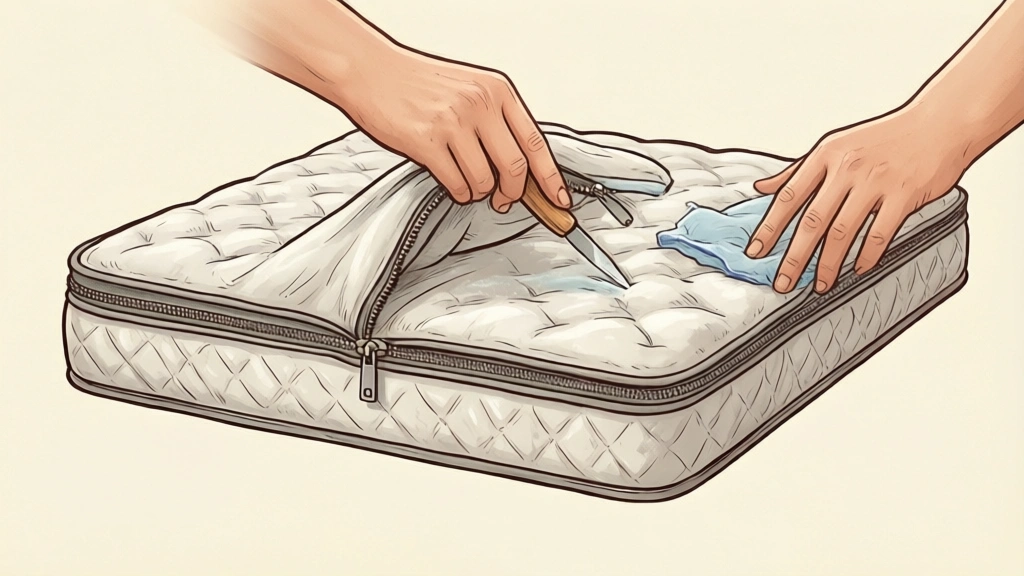
Most zippered mattress protectors are fully washable, though the laundering protocol depends entirely on their material composition. Basic cotton-poly blends tolerate aggressive wash cycles, but high-end total encasements feature advanced engineering. These premium models typically incorporate waterproof thermoplastic polyurethane (TPU) backings or sub-micron micropores designed to trap bed bugs and allergens while remaining breathable. Ignoring manufacturer care labels invites structural failure. Excessive heat degrades TPU membranes, causing them to delaminate, flake, or lose their liquid barrier properties. Meanwhile, unmanaged mechanical stress can warp nylon coil zippers or tear the fabric tracks where the teeth anchor.
📌 Key Takeaways
- Always verify care tags for specific maximum water temperatures and drying limits.
- Zip the encasement completely closed prior to loading to prevent zipper track damage.
- Avoid high-heat machine drying to prevent the melting or cracking of internal TPU waterproof membranes.
- Pre-treat localized stains with enzyme-based cleaners rather than harsh chlorine bleaches.
- Use a HEPA-filtered vacuum attachment to remove heavy concentrations of loose allergens before washing.
Anatomical Stress Points: Zippers, TPU Membranes, and Seams
A standard washing machine subjects textiles to intense mechanical and thermal forces. During a high-speed spin cycle, centrifugal force presses wet, heavy textiles against the drum walls. If a zippered encasement is left unzipped, the loose fabric flaps whip violently, tearing the delicate stitching at the terminal ends of the track. Furthermore, standard metal or plastic sliders can catch on internal drum baffles, resulting in jagged tears.
Thermal stress poses an equal threat to longevity. According to textile maintenance standards published by the Textile Institute, synthetic polymers exhibit strict thermal degradation thresholds. Polyurethane laminates, commonly utilized for waterproofing, soften when exposed to elevated temperatures. When subjected to high-heat dryer cycles, these TPU backings can melt, fuse to themselves, or micro-crack. Once compromised, the microscopic fissures allow fluids and allergens to bypass the barrier entirely, rendering the encasement useless.
Pre-Wash Preparation and Extraction Protocols
Proper preparation mitigates wash-cycle damage and ensures optimal sanitation. Before introducing the encasement to the drum, pull the slider and zip the cover completely closed. This action protects the teeth from distortion and shields the surrounding fabric from friction-induced pilling. If the cover has accumulated heavy loads of pet dander, pollen, or dead skin cells, perform a preliminary dry-extraction pass. Run a handheld vacuum equipped with a clean HEPA brush attachment across all surface areas and crevices to capture loose particulate matter before it mixes with water to form stubborn mud-like residues.
Inspect the seams and zipper tape for existing fraying. If you notice compromised stitching, reinforce those areas by hand before laundering to prevent a small separation from turning into a catastrophic structural tear during agitation. Turn the encasement inside out if the waterproof backing sits on the interior; this exposes the fabric surface that collects the highest concentration of human oils and sweat to direct detergent action.
Step-by-Step Laundering and Thermal Management
Executing a successful wash cycle for a total protective encasement requires strict adherence to polymer stress parameters. If your washing machine features an agitator with a central post, skip it entirely. High-efficiency front loaders or impeller top loaders without central spindles prevent the abrasive friction that shreds synthetic threads and fractures polyurethane (PU) or thermoplastic polyurethane (TPU) backings. Zip the encasement completely closed before loading to protect the internal teeth from catching on the drum, or invert it inside out depending on the manufacturer’s specific tooth-facing guidelines. Zipping minimizes localized mechanical stress on the slider box during high-speed revolutions.
Diagnostic Pre-Wash Setup
Inspect the laminate backing for micro-cracks or delamination before water touches the fabric. Pre-treat localized organic stains using a mild, enzyme-based spot cleaner rather than chlorine bleach. Bleach accelerates the oxidative degradation of elastic polyurethane membranes, permanently destroying waterproofing integrity.
Water Temperature and Agitation Protocols
Select a delicate or permanent-press cycle paired with cool or warm water settings. Never use hot water exceeding 140°F (60°C) unless specifically rated by the textile mill; extreme heat pushes waterproof polymers past their thermal softening point, causing them to warp, stick together, or blister. Incorporate a pH-neutral, liquid-only detergent free of optical brighteners and heavy surfactants that can leave residue on breathable micro-pores.
Thermal Extraction and Drying Execution
Rinse thoroughly with an extra cycle to strip residual soap from the inner laminate layers. When transferring the encasement to the thermal environment, select a low-heat tumbling setting—ideally not exceeding 120°F (49°C)—or opt for line-drying in a shaded, well-ventilated area. High dryer temperatures are the primary catalyst for polymer shrinkage and zipper track warping. Throwing clean wool dryer balls into the drum helps break up moisture pockets and reduces static accumulation without introducing chemical fabric softeners, which coat and ruin moisture-barrier textiles Amazonwool dryer balls for laundry
.
Troubleshooting Zipper Jams and Post-Wash Reinstallation
Post-laundering re-encasement tests the tensile limits of both the fabric and the zipper track. Wet or damp synthetic fibers temporarily contract during the wash cycle, creating a deceptive tightness when you attempt to stretch the cover back over high-density memory foam or heavy innerspring mattresses. Forcing a cold, marginally contracted cover onto a thick mattress inevitably strains the terminal end-stops and separates the zipper teeth.
If the zipper slider feels stiff or binds midway along the track, do not force it with raw leverage. Polymer and metal sliders require lubrication that will not stain porous mattress materials. Rubbing a small amount of pharmaceutical-grade paraffin wax or a graphite pencil along the teeth restores smooth glide mechanics without attracting dust or transferring oily residues to your bedding. For stubborn corner alignment, stand the mattress on its side and work the encasement down like a fitted glove rather than pulling strictly from the zipper pull-tab, distributing the physical load evenly across the stitched seams.
Recommended Tools That You Need

Tenn Well 2Pk 43×35" Extra Large

GOGOODA 2 Pack Extra Large Mesh

OTraki Large Mesh Washing Bag 43

Laundry Bags Mesh Wash Bags, Extra

Dntorx 2 Pack XX-Large Mesh Laundry
Frequently Asked Questions
How do you wash a zippered mattress protector without melting the waterproof backing?
Protecting the polyurethane or vinyl waterproof backing requires using cool to warm water (never hot) and a delicate cycle. High water temperatures exceed the thermal deformation threshold of the polymer laminate, causing it to melt, bubble, or crack. Always check the care label and avoid chlorine bleach or harsh chemical solvents.
Can you put a plastic-lined zippered mattress encasement in the dryer?
You can use a dryer only if set to a low-heat or air-only fluff cycle. Excessive heat causes the waterproof backing to fuse to itself or warp permanently. Many manufacturers recommend line drying or pulling the encasement out while slightly damp to finish air-drying naturally.
What is the best way to get urine smell out of a zippered mattress cover?
Treat the affected area before the main wash cycle using an enzymatic cleaner formulated to break down uric acid crystals. Let the solution sit for fifteen minutes, blot thoroughly with a clean cloth, and wash the encasement on a warm delicate cycle with an extra rinse. Avoid commercial masking agents that simply trap odors within the fabric weave.
Why did my mattress protector zipper break in the washing machine?
Zippers usually break because the encasement was left unzipped during the wash cycle, allowing the loose metal or plastic teeth to catch on the agitator or drum walls. Always fully zip the encasement closed and place it inside a large mesh laundry bag to absorb mechanical shocks during high-speed spin cycles.
How often should you wash a full zippered mattress encasement?
A total zippered encasement should be laundered every two to three months under normal household conditions. If you suffer from severe dust mite allergies, experience night sweats, or have pets on the bed, increase the washing frequency to once every month to prevent allergen buildup.
Conclusion
Maintaining a zippered mattress encasement is an exercise in balancing deep sanitation with material preservation. By respecting thermal limits, utilizing gentle mechanical cycles, and properly managing zipper tension during reinstallation, you extend the operational lifespan of both the allergen barrier and the waterproof membrane. Careful attention to these diagnostic parameters ensures your investment continues to protect your sleep environment for years.