Quick Answer
Buyers must exercise extreme caution regarding early first-generation production runs, specifically targeting models equipped with vulnerable EA888 engine variants and DL501 dual-clutch transmissions. These specific powertrains suffer from severe metallurgical flaws, including catastrophic oil consumption and premature timing chain tensioner failures. Securing a professional pre-purchase inspection is non-negotiable before finalizing any acquisition.
Key Takeaways
- First-generation models from production cycles featuring early EA888 engines exhibit aggressive oil consumption due to low-tension piston ring land geometries.
- The DL501 7-speed S-tronic dual-clutch transmission introduces high failure rates linked to mechatronic unit solenoids and thermal degradation of internal clutch packs.
- Timing chain tensioner ratchet mechanisms on older iterations lack the structural hardness required to withstand high cyclic loads, resulting in catastrophic interference events.
Navigating the used compact luxury SUV market requires absolute precision, particularly when identifying problematic q5 years to avoid due to deep-seated mechanical and thermal vulnerabilities. As an automotive powertrain analyst, my evaluation cuts past superficial cosmetic wear to examine the metallurgy, thermal stress profiles, and hydraulic pressures governing these complex German assemblies. The first-generation production run contains critical engineering liabilities that impose severe maintenance burdens on unsuspecting owners.
Chronological Breakdown of High-Risk Audi Q5 Model Years
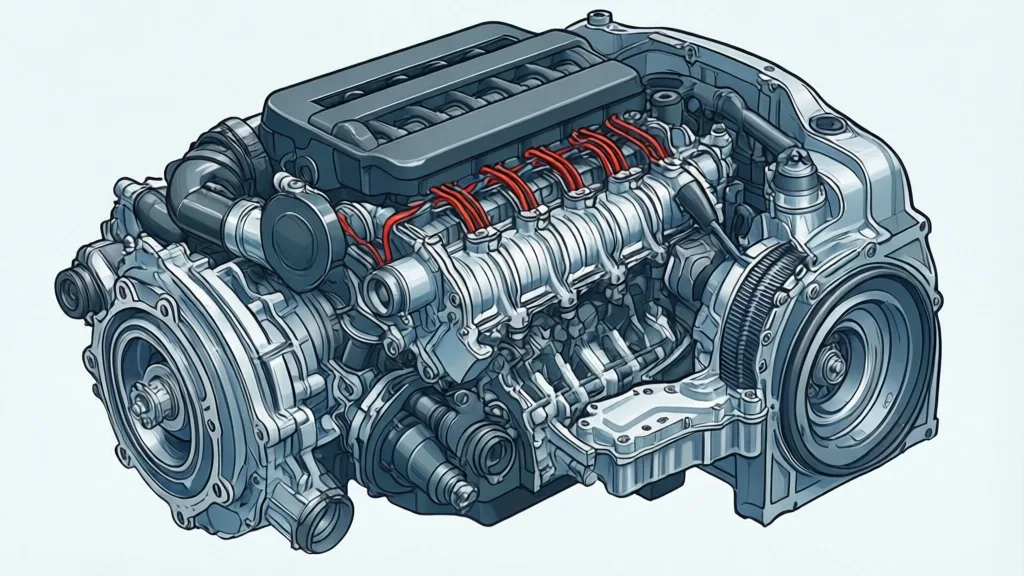
The initial launch of the platform in the North American market introduced the 2.0-liter turbocharged inline-four engine, designated under the EA888 family (specifically the Gen 1 CAE variant). These early iterations, spanning the initial production ramp-up, are heavily documented in Technical Service Bulletins (TSBs) for runaway oil consumption. The combustion chamber design featured an unfavorable ring-to-groove clearance combined with low-tension oil control rings that rapidly coke under standard thermal cycling. This carbon accumulation seizes the oil ring scraper, allowing unmetered engine oil to flood the combustion chambers. Coupled with the ZF 8-speed automatic in early base trims, the engine itself remained a chronic oil consumer, but the introduction of the performance-oriented variants brought an entirely separate transmission liability.
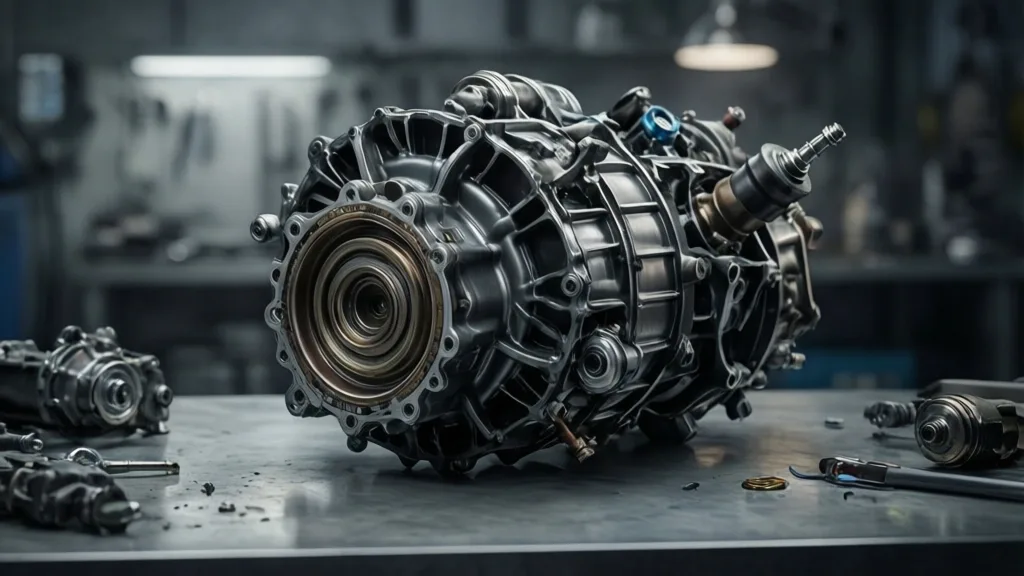
By the subsequent manufacturing milestones, the high-performance variants integrated the supercharged 3.0-liter V6 (CTUC engine code) mated to the DL501 7-speed S-tronic dual-clutch transmission. While the 3.0T block proved structurally more robust than the four-cylinder alternative, the DL501 transmission proved to be an engineering Achilles’ heel. Factory service documentation outlines pervasive failures within the mechatronic unit—the hydraulic and electronic control brain of the transmission. Thermal stress inside the enclosed housing causes premature degradation of the printed circuit board sensors and electronic solenoids, triggering limp-mode operation, transmission fluid leaks, and sudden loss of gear engagement.
Furthermore, timing chain degradation plagued both four-cylinder and six-cylinder architectures during these intervals. The primary culprit lies in the timing chain tensioner design, which utilizes a spring-loaded ratchet mechanism manufactured from metal alloys incapable of withstanding long-term high-shear loads. As the engine oil thins under extreme operating temperatures, oil pressure drops at idle, starving the tensioner of hydraulic dampening. This induces violent chain slap, wearing down the plastic guide rails and stretching the roller chain links until catastrophic valve-to-piston interference occurs. Utilizing an advanced diagnostic scan tool is essential for reading Camshaft Adaptation values to monitor phase deviation before total mechanical failure ensues.
Engineering Root Causes: Oil Consumption, Timing Chains, and Mechatronics
To fully comprehend why certain production years demand total avoidance, one must dissect the micro-metallurgical and fluid-dynamic failures engineered into the powertrain. The primary driver of the excessive oil consumption in the 2.0T engine stems from a flawed piston and piston ring land geometry. Audi engineers attempted to reduce internal friction by decreasing the radial tension of the oil control rings and narrowing the drainage holes within the piston ring grooves. During standard combustion processes, combustion blow-by deposits particulate matter directly into these restricted drainage ports. Once clogged, oil cannot return to the crankcase; instead, it is scraped up past the compression rings and burned off during the power stroke. Owners frequently report consumption rates exceeding one quart every few hundred miles, necessitating complete engine teardowns, replacement pistons with updated ring lands, and thorough oil consumption testing protocols.
The crankcase ventilation system—commonly referred to as the PCV or oil separator diaphragm—exacerbates this issue. The internal rubber diaphragm within the PCV valve is subjected to continuous high-temperature crankcase gases and oil vapor. Over time, the rubber stiffens, cracks, or tears entirely. When this occurs, intake manifold vacuum is applied directly to the crankcase, sucking liquid oil and heavy vapors directly through the PCV breather tube into the intake manifold and combustion chambers. This not only spikes oil consumption but also rapidly fouls intake valve stems with hard carbon deposits, choking airflow and causing severe misfire conditions.
Regarding the hydraulic and electrical failures of the DL501 dual-clutch transmission, the root cause is thermal management inadequacy combined with fluid shear breakdown. The mechatronic unit sits directly inside the transmission pan, submerged in specialized synthetic transmission fluid that must simultaneously lubricate gear sets, actuate hydraulic clutch packs, and cool electronic control modules. Under heavy urban driving or towing conditions, fluid temperatures spike. The localized heat degrades the FR4 material of the mechatronic circuit board and causes micro-fissures in the copper traces. Simultaneously, internal hydraulic pressure control valves lose their calibration due to microscopic debris scoring the aluminum valve bore, leading to erratic clutch engagement, shuddering during acceleration, and total loss of odd or even gear sets.
Comparative Reliability Matrix: Powertrain Generations and Failure Probabilities
| Model Years | Engine Code | Transmission Type | Primary Failure Modes | Key TSB / Reference Data |
|---|---|---|---|---|
| Early Production Run | 2.0L TFSI (EA888 Gen 1 / CAE) | ZF 8-Speed / 6-Speed Manual | Severe oil consumption, piston ring coking, PCV valve failure, intake carbon buildup. | Audi TSB 2030359 / High Oil Consumption Diagnostics |
| Early Production Run | 2.0L TFSI (EA888 Gen 2) | ZF 8-Speed Automatic | Timing chain tensioner ratchet wear, chain stretch, catastrophic interference. | Audi TSB 2025123 / Timing Chain Jump Prevention |
| Mid Production Run | 3.0L V6 Supercharged (CTUC) | 7-Speed S-tronic (DL501 Dual-Clutch) | Mechatronic unit electrical failures, solenoid sticking, dual-clutch pack thermal wear, fluid leaks. | Audi TSB 2032481 / Mechatronic Solenoid Valve Replacement |
| Mid Production Run | 2.0L TFSI (EA888 Gen 2 / CPM) | 8-Speed Tiptronic (ZF 8HP55) | Persistent oil separator diaphragm tears, turbocharger wastegate actuator rattle and binding. | Audi TSB 2038756 / Wastegate Rod Play and Fault Codes |
The comparative data detailed above clearly delineates the structural risks inherent to these powertrain combinations. Buyers navigating the used market must cross-reference service histories to verify whether previous owners executed complete mechanical overhauls—such as installing revised heavy-duty pistons, updated timing chain cassettes with reinforced guides, and remanufactured mechatronic valve bodies. Without documented proof of these extensive interventions, taking ownership of these specific high-risk model years exposes the operator to severe, compounding repair expenditures.
Step-by-Step Diagnostic Procedures for Used Q5 Evaluation
Evaluating a used Audi Q5 requires moving beyond surface-level observations and deep into the engine control unit (ECU) parameters. When analyzing models equipped with the EA888 engine family, the single most critical diagnostic metric is the camshaft adaptation value, which indicates timing chain stretch. Without connecting advanced diagnostics, you run the risk of purchasing a vehicle on the verge of catastrophic piston-to-valve interference.
Executing Camshaft Adaptation Phase-Correction Diagnostics
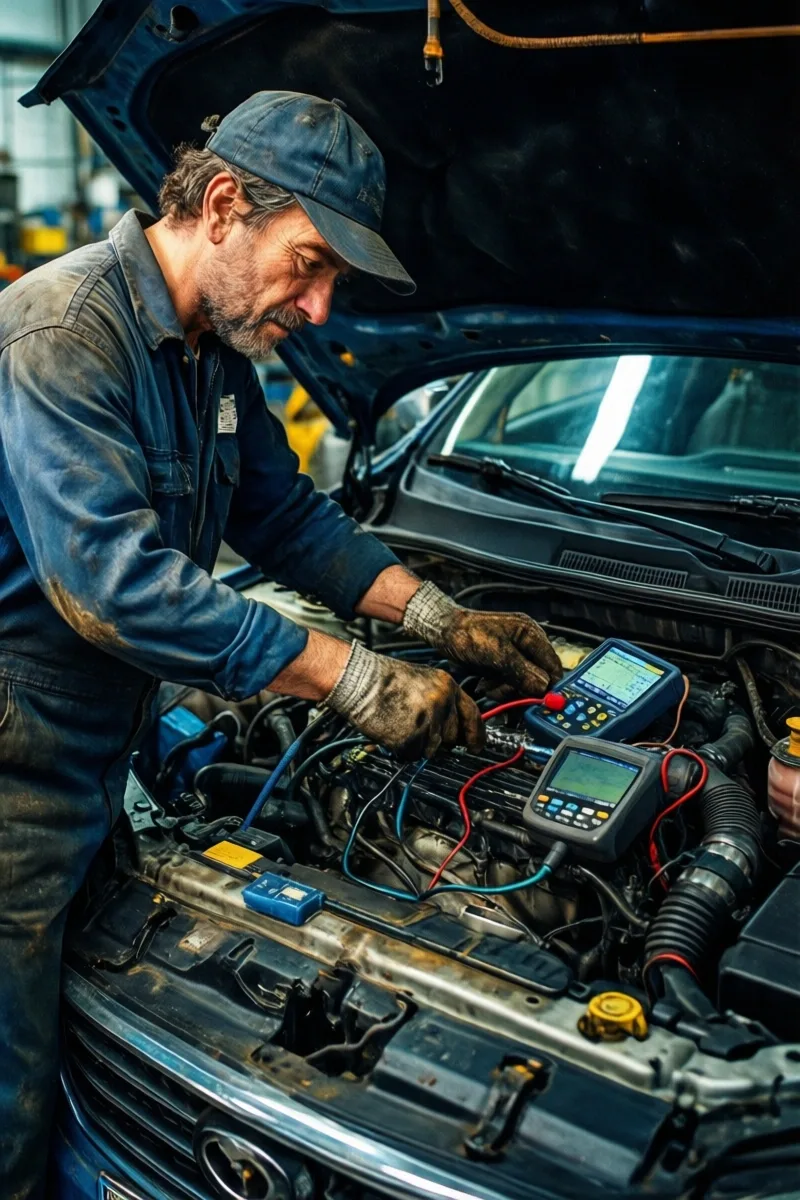
To accurately assess the mechanical health of the timing drive, connect a VAG-specific bi-directional diagnostic scan tool capable of reading advanced manufacturer-specific measuring values. Follow this operational workflow:
- Bring the engine up to its normal operating temperature (oil temperature above eighty degrees Celsius). This ensures thermal expansion has stabilized the timing components.
- Navigate to the Engine Control Module (Address 01).
- Select “Advanced Identification” or “Measuring Values” (depending on the diagnostic software architecture).
- Search for and select the live data channel labeled “Camshaft adaptation intake bank 1: phase position” or equivalent nomenclature (often mapped to IDE00182 in UDS protocols).
- Observe the degree reading at idle. A reading between negative one degree and negative three degrees indicates normal, acceptable wear. A reading approaching negative four degrees signals moderate stretch. Any value exceeding negative five degrees dictates an immediate, non-negotiable timing chain replacement liability, requiring an expensive service intervention.
Beyond the phase position, utilize a diagnostic scan tool to review freeze-frame data associated with any stored or pending Diagnostic Trouble Codes (DTCs), specifically looking for intermittent camshaft-to-crankshaft correlation faults (P0016).
Mitigating Liability: Pre-Purchase Inspection and Oil Consumption Testing
The metallurgical vulnerabilities inherent in early 2.0L TFSI powerplants demand a rigorous physical and chemical examination before any financial transaction is finalized. A standard multi-point inspection is insufficient for uncovering underlying oil consumption defects caused by low-tension piston rings and oil control ring coking. Buyers must insist on an exhaustive evaluation protocol tailored specifically to these thermal stress points.
Executing a Standardized Oil Consumption Verification Protocol
Because sellers frequently clear ECU memory or top off low oil levels immediately prior to a viewing, an informal inspection will not reveal excessive consumption. You must execute a formal, multi-stage verification process:
- Perform an initial oil level check via the MMI digital display or physical dipstick (if retrofitted), and seal the oil filler cap with tamper-evident security tape.
- Verify the exact odometer reading and record it in the inspection documentation.
- Instruct the testing facility or independent mechanic to perform a thorough pre-purchase inspection, prioritizing a borescope examination of the cylinder walls through the spark plug bores to check for vertical scoring caused by piston slap.
- Drive the vehicle a minimum of one thousand miles under mixed operational cycles, or contract a specialized facility to perform an official Audi consumer-awareness tiered consumption test, which involves draining and weighing the engine oil to calculate precise consumption rates by weight per thousand miles.
- Inspect service records for documented warranty claims regarding Stage 1 or Stage 2 oil consumption piston replacements. If the vehicle has not received updated factory pistons with revised oil control ring dimensions, assume high financial exposure.
Complement this physical verification with a dedicated oil consumption testing procedure to establish a definitive baseline before committing to ownership.
Safe Harbor Years: Engineering Improvements in Later Production Runs
To avoid the severe mechanical liabilities associated with early production runs, buyers should restrict their search to models benefiting from major mid-cycle engineering revisions. The implementation of the Gen 3 EA888 engine architecture successfully addressed the historical metallurgical flaws of the piston and ring assemblies, significantly enlarging the piston wrist pin diameter and redesigning the oil control ring scraper geometry to prevent carbon fouling and extreme oil burning.
Concurrently, the retirement of the failure-prone 0B5 DL501 7-speed S-tronic dual-clutch transmission in mainstream variants—replaced universally by the rugged ZF 8HP 8-speed torque-converter automatic transmission—eliminated the catastrophic mechatronic hydraulic failures and dual-clutch pack degradation that plagued earlier years. This pairing provides superior thermal management, robust clutch durability, and refined torque distribution, rendering later production cycles vastly superior in long-term reliability metrics.
[PRODUCT:B07X9V1Z83]
The subsequent generation of the Audi Q5 represents a stabilized engineering platform. By pairing the third-generation EA888 engine—featuring redesigned cooling jackets, integrated exhaust manifolds in the cylinder head, and improved timing chain guide rails—with the ZF 8-speed automatic transmission, Audi effectively mitigated the primary thermal stress and hydraulic vulnerabilities of its predecessors. Maintenance liabilities are largely restricted to routine fluid changes and standard ignition coil intervals, provided the cooling system and PCV diaphragms are monitored at regular intervals.
📌 Save to Pinterest
Frequently Asked Questions
Which Audi Q5 model years have the highest engine failure rates?
The model years spanning from the initial U.S. launch through the mid-cycle refresh exhibit the highest rates of catastrophic engine failure. These iterations suffer from severe oil consumption due to defective piston ring designs, alongside premature timing chain guide wear that frequently results in valve-to-piston collisions.
What causes the catastrophic oil consumption defect in early 2.0L TFSI engines?
The root cause is a flawed factory piston design featuring excessively low-tension oil control rings with microscopic drainage holes. These holes rapidly clog with carbon deposits from degraded engine oil, preventing proper scraping of the cylinder walls and causing oil to bypass the combustion chamber rings at an exponential rate.
How can I check the timing chain stretch using a diagnostic scan tool?
You can monitor the camshaft adaptation phase position via live data channels in the Engine Control Module using an advanced VAG-compatible diagnostic scan tool. A negative deviation approaching or exceeding five degrees indicates that the timing chain has elongated past its safe operational tolerance and requires immediate replacement.
Is the ZF 8-speed automatic transmission more reliable than the S-tronic dual-clutch?
Yes. The ZF 8-speed torque-converter automatic transmission exhibits significantly lower failure rates compared to the 0B5 S-tronic dual-clutch unit. The ZF unit avoids the expensive mechatronic electrical failures, dual-clutch pack burning, and fluid contamination issues that routinely afflict early dual-clutch systems.
What specific tests should be included in a pre-purchase inspection for a used Q5?
An effective pre-purchase inspection must include a borescope cylinder wall examination to check for scoring, a verified oil consumption test or review of historical consumption records, a scan for camshaft adaptation phase values, and a comprehensive hydraulic pressure check of the transmission and turbocharger actuator systems.