
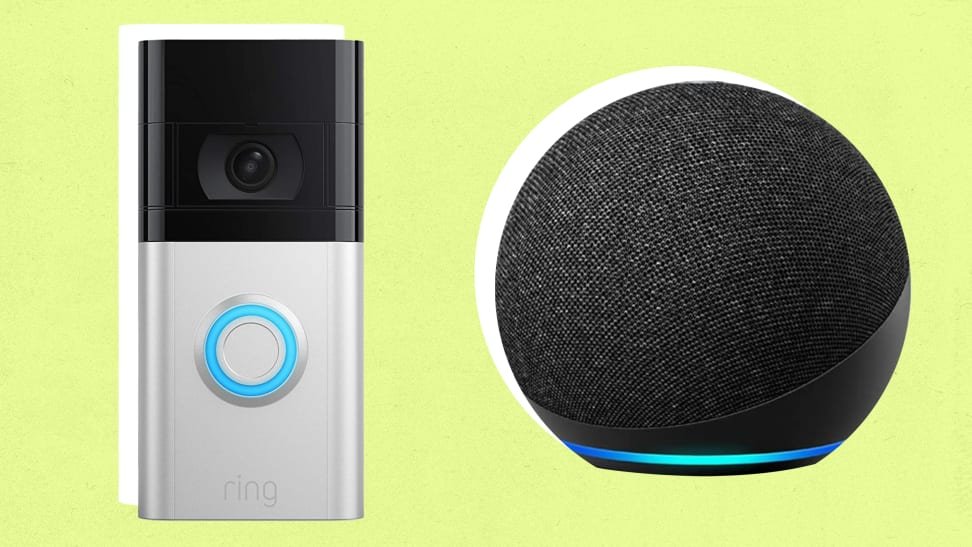
Experiencing issues with your alexa not connecting to ring doorbell can be incredibly frustrating. This common problem prevents you from enjoying the seamless convenience and enhanced security of your smart home setup. When your devices fail to communicate, you miss out on instant notifications, two-way talk, and voice control.
A properly integrated Ring Doorbell and Alexa system offers significant benefits. It allows you to see and speak to visitors from anywhere using an Echo Show or Fire TV. It also sends alerts directly to your Alexa-enabled devices when motion is detected or the doorbell is pressed.
Fortunately, most connectivity issues are easy to resolve with a few targeted troubleshooting steps. This comprehensive guide will walk you through diagnosing and fixing common problems. You’ll learn how to get your Ring Doorbell and Alexa communicating flawlessly again.
Understanding the Ring-Alexa Ecosystem
Before diving into troubleshooting, it helps to understand how Ring and Alexa work together. This integration relies on several components communicating effectively. Each part must be functioning correctly for a seamless experience.
The core of the connection is the “Ring Skill” within the Alexa app. This skill acts as a bridge, allowing Alexa to understand and execute commands related to your Ring devices. It also enables Ring devices to send information, like doorbell presses or motion alerts, to your Alexa devices.
Your home Wi-Fi network plays a crucial role in this ecosystem. Both your Ring Doorbell and your Alexa devices need a stable and strong Wi-Fi connection. They use this connection to communicate with their respective cloud services and with each other.
Finally, the Ring and Alexa apps on your smartphone are essential. They are used for initial setup, managing settings, and monitoring device status. Keeping these apps updated ensures compatibility and access to the latest features.
Common Reasons for Alexa Not Connecting to Ring Doorbell
When your alexa not connecting to ring doorbell, several factors could be at play. Identifying the root cause is the first step toward a solution. Here are the most common culprits behind connectivity issues.
Ring Skill Disabled or Not Linked
The Ring skill is the primary link between your Ring Doorbell and Alexa. If this skill is disabled or not properly linked, Alexa cannot control or receive information from your doorbell. This is a very common oversight during setup or after an update.
You might have accidentally disabled the skill in the Alexa app. Or, the account linking process might not have completed successfully. Sometimes, a temporary glitch can cause the skill to lose its connection to your Ring account.
Devices Not Properly Linked or Discovered
Even with the Ring skill enabled, your specific Ring Doorbell might not be linked or discovered by Alexa. This often happens if you have multiple Ring devices or if the discovery process failed. Alexa needs to recognize each individual Ring device to interact with it.
Checking the “Devices” section in the Alexa app is critical. You need to ensure your Ring Doorbell appears there and is recognized as an active device. If it’s not listed, Alexa won’t know it exists.
Incorrect Settings in Alexa App
Specific settings within the Alexa app can prevent notifications or announcements. For example, motion announcements might be turned off for your Ring Doorbell. If these settings are not configured correctly, Alexa won’t alert you.
These settings control how Alexa responds to events from your Ring Doorbell. It’s important to verify that the desired announcements are enabled. This includes both doorbell presses and motion detection alerts.
Wi-Fi Connectivity Issues
A weak or unstable Wi-Fi signal is a frequent cause of smart home device problems. Both your Ring Doorbell and Alexa devices rely heavily on a strong Wi-Fi connection. If either device loses connection, the integration breaks down.
Interference from other devices, distance from the router, or network congestion can all degrade Wi-Fi performance. This can lead to intermittent connections or complete disconnections. Even a strong signal on your phone doesn’t guarantee your doorbell has one.
Outdated App or Device Firmware
Software and firmware updates are crucial for optimal performance and security. If your Ring app, Alexa app, or the firmware on your Ring Doorbell or Alexa device is outdated, it can cause compatibility issues. Older versions might not support the latest integration protocols.
Developers constantly release updates to fix bugs and improve functionality. Running outdated software can lead to unexpected errors. It can also prevent new features from working correctly.
Server-Side Issues
Occasionally, the problem might not be with your devices or settings. Ring or Amazon’s servers could be experiencing temporary outages or maintenance. These server-side issues can disrupt communication between your devices and their respective cloud services.
While rare, server outages can affect a large number of users simultaneously. It’s always a good idea to check for widespread service disruptions if your troubleshooting efforts yield no results.
Step-by-Step Troubleshooting for Alexa Not Connecting to Ring Doorbell
When you find your alexa not connecting to ring doorbell, follow these structured steps. They are designed to cover the most common issues and guide you to a solution.
1. Verify Ring Skill Status in Alexa App
The first and most critical step is to ensure the Ring skill is active and properly linked. This skill is the foundation of the integration.
Open the Alexa App: Launch the Amazon Alexa app on your smartphone or tablet.
Navigate to Skills & Games: Tap on the ‘More’ icon (usually three horizontal lines or dots) in the bottom right. Select ‘Skills & Games’.
Search for Ring: In the search bar, type “Ring” and select the official Ring skill from the results.
Check Skill Status: If it says ‘Enable Skill’, tap it to enable. If it says ‘Disable Skill’, it’s already enabled. Sometimes, disabling and re-enabling can refresh the connection. Tap ‘Disable Skill’, confirm, then tap ‘Enable Skill’ again.
Link Accounts: Follow the on-screen prompts to link your Ring account to Alexa. You will typically be redirected to a Ring login page. Enter your Ring credentials.
Ensure you use the correct login details for your Ring account. An incorrect login will prevent successful linking.
2. Check Device Linking and Settings in Alexa App
Once the skill is enabled, confirm that your specific Ring Doorbell is recognized and configured correctly within Alexa.
Go to Devices: In the Alexa app, tap on the ‘Devices’ icon at the bottom.
Select All Devices: Tap ‘All Devices’ at the top of the screen. You should see a list of all devices connected to Alexa.
Find Your Ring Doorbell: Locate your Ring Doorbell in the list. If it’s not there, Alexa hasn’t discovered it. Proceed to the “Discover Devices” step below.
Adjust Settings: Tap on your Ring Doorbell. Look for options like ‘Motion Announcements’ and ‘Doorbell Press Announcements’. Ensure these are toggled ‘On’ if you want Alexa to announce events.
If your device is showing an error like “Server Not Responding,” try removing it and re-adding it. This often resolves stubborn connection issues.
3. Discover Devices in Alexa App
If your Ring Doorbell isn’t appearing in the Alexa devices list, you need to prompt Alexa to find it.
Initiate Discovery: In the Alexa app, go to ‘Devices’, then tap the ‘+’ icon in the top right corner. Select ‘Add Device’.
Choose Ring: Select ‘Ring’ from the list of brands. Then choose ‘Doorbell’.
Follow Prompts: Alexa will search for new devices. Ensure your Ring Doorbell is powered on and connected to your Wi-Fi network. This process can take a minute or two.
Alternatively, you can simply say, “Alexa, discover my devices.” This voice command will also initiate the discovery process.
4. Verify Ring Account and App Settings
Your Ring app and account settings can also impact the Alexa integration.
Open Ring App: Launch the Ring app on your smartphone.
Check Device Health: Select your Ring Doorbell from the dashboard. Go to ‘Device Health’. Here, you can see your Wi-Fi signal strength (RSSI). A value closer to 0 (e.g., -40 to -60) is good. If it’s -70 or worse, you have a weak connection.
Ensure Notifications are On: In the Ring app, ensure that ‘Motion Alerts’ and ‘Ring Alerts’ are enabled for your doorbell. If Ring itself isn’t sending notifications, Alexa won’t receive them either.
Also, confirm that the email address associated with your Ring account matches the one used for your Amazon account. Mismatched accounts can sometimes cause linking problems.
5. Update Apps and Device Firmware
Outdated software is a common source of bugs and compatibility issues. Always keep your apps and devices current.
Update Alexa App: Go to your phone’s app store (Google Play Store for Android, Apple App Store for iOS). Search for “Amazon Alexa” and install any available updates.
Update Ring App: Similarly, search for “Ring” in your app store and install any pending updates.
Update Ring Doorbell Firmware: Ring device firmware updates usually happen automatically. Ensure your doorbell has a good Wi-Fi connection and sufficient battery (if applicable). You can often check the firmware version in the Ring app’s Device Health section. If an update is pending, it should prompt you.
Update Alexa Device Firmware: Alexa devices (Echo speakers, Echo Show) also receive automatic updates. Ensure your Alexa devices are plugged in and connected to Wi-Fi. You can manually check for updates by saying, “Alexa, check for software updates.”
Rebooting your Ring Doorbell after an update can sometimes help. For battery-powered doorbells, remove and reinsert the battery. For wired ones, temporarily cut power at the breaker.
6. Troubleshoot Your Home Wi-Fi Network
A stable Wi-Fi connection is paramount for all smart home devices. If your alexa not connecting to ring doorbell, your network might be the issue.
Reboot Your Router: Unplug your Wi-Fi router from power for 30 seconds, then plug it back in. Wait a few minutes for it to fully restart. This can often resolve temporary network glitches.
Check Signal Strength: Use the Ring app’s Device Health section to check the RSSI for your doorbell. If it’s poor (e.g., worse than -65), consider moving your router closer or using a Wi-Fi extender. Obstacles like thick walls can significantly degrade signal strength.
Minimize Interference: Other wireless devices (cordless phones, microwaves, baby monitors) can interfere with Wi-Fi signals. Try to keep your Ring Doorbell away from these. Ensure your Wi-Fi is on a less congested channel if possible.
2.4GHz vs. 5GHz: Most Ring Doorbells primarily use the 2.4GHz Wi-Fi band, which offers better range but lower speeds. Ensure your network has a strong 2.4GHz signal. Some newer Ring devices support 5GHz, which is faster but has less range. If your doorbell supports both, try connecting to the 2.4GHz band for better reliability over distance.
Consider dedicating a specific Wi-Fi band (e.g., 2.4GHz) for your smart home devices to reduce congestion.
7. Power Cycle Your Devices
A simple reboot can often clear minor software glitches. This applies to both your Ring Doorbell and your Alexa devices.
Ring Doorbell: For battery-powered doorbells, remove the battery for a few seconds, then reinsert it. For wired doorbells, temporarily switch off the power to the doorbell at your circuit breaker for about 30 seconds, then restore power.
Alexa Device: Unplug your Echo speaker or Echo Show from its power source for 30 seconds. Plug it back in and wait for it to fully boot up.
Perform these reboots one at a time, waiting for each device to fully restart before moving to the next. This helps isolate potential issues.
8. Check for Ring or Amazon Server Status
While rare, widespread outages can prevent your devices from connecting. It’s worth a quick check.
Visit Status Pages: Check the official Ring Status Page and Amazon Web Services (AWS) Health Dashboard (which Alexa relies on). A quick search online for “Ring status” or “Alexa status” can also reveal current issues.
Social Media: Major outages are often reported on social media platforms like X (formerly Twitter). Search for recent posts from Ring or Amazon customer service accounts.
If there’s a confirmed outage, the best course of action is to wait. Services are usually restored quickly.
Advanced Troubleshooting and Preventative Measures
If basic troubleshooting doesn’t resolve your alexa not connecting to ring doorbell issue, consider these more advanced steps. Also, learn how to maintain a stable connection.
Resetting Ring Doorbell and Alexa Device
As a last resort, a factory reset can sometimes fix persistent issues. Be aware this will erase all settings, and you’ll need to set up the device again from scratch.
Ring Doorbell Reset: The reset button location varies by model. Typically, it’s a small orange button on the back or side. Press and hold it for 15-20 seconds until the light on the front flashes. Then release. Follow the in-app instructions to set it up as a new device.
Alexa Device Reset: For Echo speakers, consult Amazon’s support page for specific model instructions. Generally, you’ll hold down a combination of buttons (e.g., mute and volume down) until the light ring turns orange, then blue. For Echo Show, go to ‘Settings’ > ‘Device Options’ > ‘Reset to Factory Defaults’.
Only perform a factory reset if all other troubleshooting steps have failed. This is a time-consuming process.
Optimizing Your Home Network
A robust home network is the backbone of any smart home. Poor network performance will inevitably lead to connectivity issues.
Router Placement: Position your Wi-Fi router in a central location, ideally high up and away from obstructions. Walls, large furniture, and appliances can block Wi-Fi signals.
Wi-Fi Extenders/Mesh Systems: If your home is large or has dead zones, consider a Wi-Fi extender or a mesh Wi-Fi system. These expand your network’s coverage, providing a stronger signal to your Ring Doorbell.
Network Congestion: If you have many devices on your network, they can compete for bandwidth. Consider using Quality of Service (QoS) settings on your router to prioritize smart home devices if available. Limit streaming or large downloads when you need critical smart home functionality.
Router Firmware: Keep your router’s firmware updated. Check your router manufacturer’s website for the latest versions. Updated firmware can improve performance and security.
A healthy network environment significantly reduces the chances of your alexa not connecting to ring doorbell.
Contacting Support
If you’ve exhausted all troubleshooting options and your Ring Doorbell is still not connecting to Alexa, it’s time to contact customer support.
Ring Support: Visit the Ring Help Center for detailed articles and contact options. They can often diagnose specific device issues. Have your device’s serial number ready.
Amazon Alexa Support: For issues specifically related to Alexa’s integration or your Echo device, contact Amazon customer service. They can help with skill linking or Alexa device malfunctions.
Be prepared to explain the steps you’ve already taken. This will help support agents narrow down the problem more quickly.
Frequently Asked Questions
Why is my Alexa not connecting to my Ring Doorbell?
Common reasons include the Ring skill being disabled, devices not properly linked in the Alexa app, incorrect notification settings, or issues with your home Wi-Fi network. Outdated app versions or device firmware can also cause problems.
How do I re-enable the Ring skill in Alexa?
Open the Alexa app, go to ‘Skills & Games’, search for ‘Ring’, and tap ‘Enable Skill’. If it’s already enabled, try disabling it first, then re-enabling it to refresh the connection. Remember to link your Ring account again if prompted.
What should I do if my Ring Doorbell isn’t showing up in the Alexa app?
First, ensure the Ring skill is enabled. Then, in the Alexa app, go to ‘Devices’, tap the ‘+’ icon, and select ‘Add Device’. Choose ‘Ring’ and follow the prompts to discover your doorbell. You can also say, “Alexa, discover my devices.”
How can I improve the Wi-Fi connection for my Ring Doorbell?
Check your Ring app’s Device Health for Wi-Fi signal strength (RSSI). If it’s poor, try moving your router closer, reducing interference, or using a Wi-Fi extender. Ensure your router’s firmware is updated and consider restarting it.
Do I need to update my Ring and Alexa apps?
Yes, keeping both the Ring and Alexa apps updated is crucial. Updates often include bug fixes and improved compatibility that can prevent connectivity issues. Check your phone’s app store regularly for new versions.
Why am I not getting Ring Doorbell announcements on my Echo device?
In the Alexa app, go to ‘Devices’, select your Ring Doorbell, and ensure that ‘Motion Announcements’ and ‘Doorbell Press Announcements’ are toggled ‘On’. Also, verify that notifications are enabled in your Ring app itself.
Conclusion
Dealing with alexa not connecting to ring doorbell can be a nuisance, but it’s a solvable problem. By systematically working through the troubleshooting steps outlined in this guide, you can pinpoint and resolve most connectivity issues. From verifying the Ring skill and device linking to optimizing your Wi-Fi and keeping software updated, each step brings you closer to a fully functional smart home.
Remember to start with the simplest solutions, like checking app settings and rebooting devices. If those don’t work, progressively move to more advanced steps such as network diagnostics or factory resets. A stable connection between your Ring Doorbell and Alexa significantly enhances your home’s security and convenience.
Don’t let connectivity issues diminish your smart home experience. Follow these guidelines to ensure your Ring Doorbell and Alexa communicate seamlessly. Enjoy the peace of mind that comes with a fully integrated and responsive smart security system.