
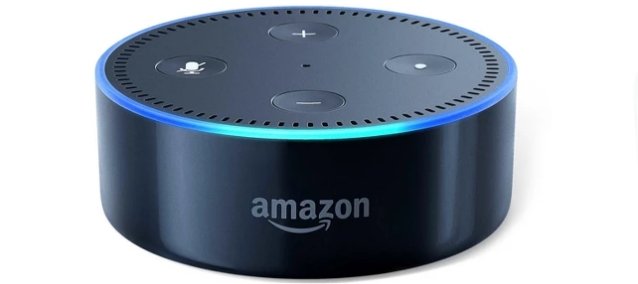
Amazon Echo troubleshooting involves a series of diagnostic steps to resolve common issues preventing your device from working correctly. Whether your Echo isn’t responding, connecting to Wi-Fi, or understanding your commands, finding a solution is often straightforward.
This comprehensive guide will walk you through the most effective methods to get your smart assistant back on track. We’ll cover everything from simple restarts to more advanced fixes, ensuring your Amazon Echo operates seamlessly.
Understanding Common Amazon Echo Issues
Amazon Echo devices are generally reliable, but like any technology, they can encounter problems. Recognizing the type of issue you’re facing is the first step in effective **amazon echo troubleshooting**.
Common problems often fall into a few categories:
- Connectivity Issues: Problems connecting to Wi-Fi, dropping connections, or not connecting to other smart home devices.
- Voice Recognition Glitches: Alexa not hearing you, misinterpreting commands, or not responding at all.
- Power and Setup Problems: Device not turning on, getting stuck during initial setup, or issues after a power outage.
- App-Related Errors: Problems with the Alexa app itself, preventing device management or setup.
By identifying the specific symptom, you can often narrow down the potential causes and apply the most relevant solutions.
Initial Checks Before Deep Diving into Troubleshooting
Before attempting complex fixes, it’s always wise to start with a few basic checks. These simple steps can often resolve minor glitches quickly and save you time.
Verify Power and Internet Connection
Ensure your Amazon Echo device is properly plugged into a working power outlet. A loose connection or a power outage can easily make your device unresponsive.
Also, confirm that your home internet service is active and your Wi-Fi router is broadcasting a signal. Try accessing a website on another device connected to the same Wi-Fi network to verify internet connectivity.
Check Device Compatibility with Alexa
If you’re trying to control a smart home device with your Echo, make sure it’s compatible with Alexa. Not all smart devices work with Amazon Echo.
Refer to the device’s user manual or the manufacturer’s website for compatibility information. An incompatible device will simply not connect or respond to Alexa commands.
Complete Device Setup Correctly
For new devices or those that have been reset, ensure the initial setup process was completed without errors. Incomplete setup can lead to various functional issues.
Follow the instructions provided by the manufacturer or within the Alexa app carefully. If you suspect an issue with setup, a re-setup might be necessary later.
Step-by-Step Guide to Resolving Connectivity Problems
Wi-Fi connectivity issues are among the most frequent problems users encounter with their Amazon Echo devices. A stable internet connection is crucial for Alexa to function.
Restarting Your Echo Device
A simple restart can often resolve temporary Wi-Fi glitches or other minor software hang-ups. This is a primary step in any **amazon echo troubleshooting** process.
- Unplug your Amazon Echo device from the power outlet.
- Wait for approximately 30 seconds to allow the device to fully power down and clear its temporary memory.
- Plug the power adapter back into the device.
- Wait for the device to boot up, indicated by the LED light ring. It may take a minute or two for it to reconnect to your Wi-Fi network.
Checking and Restarting Your Wi-Fi Router
Your Wi-Fi router is the gateway to the internet for your Echo. If the router is having issues, all connected devices will suffer.
First, check your router’s indicator lights to ensure it’s functioning normally. If lights indicate an error or no internet, restart the router.
- Unplug your Wi-Fi router from its power source.
- Wait for at least 30 seconds. This allows the router to fully discharge and reset its internal components.
- Plug the router back in and wait for it to fully power on and re-establish internet connectivity. This can take several minutes.
Once the router is back online, check if your Echo device reconnects automatically.
Ensuring Same Network Connection for Devices
For your Echo to communicate with the Alexa app on your smartphone or other smart home devices, they generally need to be on the same Wi-Fi network.
Verify that both your smartphone (running the Alexa app) and your Amazon Echo are connected to the exact same Wi-Fi network (e.g., “MyHomeNetwork” not “MyHomeNetwork_5GHz” unless all devices support it and you intend for them to be separate).
You can check your Echo’s connected network via the Alexa app: go to “Devices,” select your Echo, and then “Wi-Fi Network.”
Updating Router Firmware and Settings
Outdated router firmware can sometimes cause compatibility or performance issues with newer devices like the Amazon Echo. Check your router manufacturer’s website for firmware updates.
Access your router’s settings page (usually via a web browser using an IP address like 192.168.1.1). Ensure that necessary ports are open and there are no firewalls blocking the Echo’s connection.
If you’re unsure how to do this, consult your router’s user manual or contact your internet service provider for assistance. They can guide you through the process or troubleshoot from their end.
Resetting Wi-Fi on Your Echo
If your Echo is struggling to connect to Wi-Fi, you can reset its network settings without performing a full factory reset. This clears stored Wi-Fi credentials and allows you to re-enter them.
- Open the Alexa app on your smartphone.
- Go to “Devices” and select your specific Echo device.
- Tap on “Wi-Fi Network” (or “Change” next to Wi-Fi network).
- Follow the on-screen instructions to put your Echo into setup mode and reconnect it to your Wi-Fi network.
This process is particularly useful if you’ve changed your Wi-Fi password or router.
Addressing Alexa Voice Recognition and Responsiveness Issues
When Alexa isn’t hearing you or seems unresponsive, it can be frustrating. These issues often relate to environmental factors or software glitches.
Ensuring Alexa Can Hear You Clearly
Alexa relies on microphones to pick up your voice commands. Obstructions or excessive background noise can prevent her from hearing you.
- Check for Obstructions: Make sure nothing is blocking the microphone holes on your Echo device. Dust, crumbs, or objects placed on top can muffle sound.
- Proximity and Volume: Try moving closer to your Echo and speaking clearly and at a moderate volume.
- Background Noise: Minimize competing sounds like music, TV, or loud conversations when giving commands.
- Mute Button: Ensure the microphone mute button (usually a button with a crossed-out microphone icon, which glows red when active) is not pressed. If it’s red, press it to unmute.
Training Alexa’s Voice Recognition
Alexa can be trained to better understand your voice, especially if you have a unique accent or if multiple people use the device. This personalization can improve responsiveness.
- Open the Alexa app.
- Go to “More” > “Settings” > “Alexa Account” > “Recognized Voices.”
- Follow the prompts to create or update your voice profile. Speak naturally during the training process.
This helps Alexa differentiate your voice from others and improve command accuracy.
Checking Action Button Functionality
Some Echo devices have an “Action” button (often a dot icon) that can be used for various functions, including waking Alexa or performing specific tasks.
If your Echo is unresponsive to voice, try pressing the action button. A quick press should wake Alexa. If pressing it for about 5 seconds does nothing, there might be a deeper power or hardware issue.
Resolving “Alexa Not Responding” Prompts
Sometimes Alexa will acknowledge your command but then fail to execute it, or simply remain silent. This can be due to a few reasons.
- Server Issues: Occasionally, Amazon’s Alexa servers might experience temporary outages. Check online forums or Amazon’s status page for reports.
- Skill Problems: If the issue occurs with a specific skill, that skill might be malfunctioning. Try disabling and re-enabling the skill in the Alexa app.
- Device Grouping: If your Echo is part of a multi-room music group or a smart home group, improper grouping can sometimes lead to responsiveness issues. Check your group settings in the Alexa app.
Troubleshooting Setup and Account-Related Problems
Issues during initial setup or problems with your Amazon account can prevent your Echo from functioning correctly. Addressing these is crucial for seamless operation.
Completing Initial Device Setup
The first time you set up an Amazon Echo, it needs to be configured through the Alexa app. If this process is interrupted or incomplete, the device won’t work.
Ensure your smartphone is connected to the internet and Bluetooth is enabled. Open the Alexa app, go to “Devices,” tap the ‘+’ icon, and select “Add Device” > “Amazon Echo” and follow the prompts.
If you encounter errors, try moving closer to your router and ensuring no other devices are interfering with the setup process.
Verifying Amazon Account Configuration
Your Amazon Echo is linked directly to your Amazon account. Any issues with your account can affect your device’s functionality.
- Login Credentials: Ensure you are logged into the correct Amazon account in the Alexa app. If you have multiple accounts, this can sometimes cause confusion.
- Account Settings: Check for any pending account verifications or issues with your payment methods on your Amazon account, as these can sometimes impact services.
- Linked Services: If you’re using third-party services (like Spotify or smart home platforms), ensure they are correctly linked and authorized within the Alexa app.
Managing Device Groups in the Alexa App
Amazon Echo devices can be grouped together for multi-room audio or to control smart home devices collectively. Incorrect grouping can lead to unexpected behavior.
In the Alexa app, navigate to “Devices” > “Groups.” Review your existing groups to ensure devices are assigned correctly. If a group is causing issues, try deleting and recreating it.
For multi-room music, ensure all devices in the group are on the same Wi-Fi network and have stable connections.
Dealing with Device Compatibility Challenges
When integrating smart home devices, compatibility is key. If a device isn’t working with Alexa, it’s often a compatibility issue rather than a fault with your Echo.
Always check the product specifications of your smart home device for “Works with Alexa” certification. If it’s compatible, ensure the corresponding Alexa skill is enabled in the Alexa app.
Sometimes, devices require their own hub or bridge to connect to Alexa. Verify this in the device’s documentation.
When to Reset Your Amazon Echo (and How)
If all other **amazon echo troubleshooting** steps fail, a reset might be necessary. There are generally two types of resets: a soft reset (power cycle) and a factory reset.
Soft Reset vs. Factory Reset
A soft reset (unplugging and replugging) simply restarts the device, clearing temporary software glitches without losing settings.
A factory reset, however, restores the device to its original out-of-the-box state. This means all personal settings, saved Wi-Fi networks, and linked accounts are erased. You’ll need to set up the Echo again from scratch.
When to Use Each Reset Method
- Soft Reset: Use this for minor, intermittent issues like occasional unresponsiveness, dropped Wi-Fi, or minor sound problems. It’s quick and harmless.
- Factory Reset: This is a last resort. Use it for persistent, unresolved issues such as continuous Wi-Fi connection failures, complete unresponsiveness, or if you’re selling or giving away the device.
Performing a Factory Reset (General Guidance)
The exact steps for a factory reset can vary slightly by Echo model. Always refer to your specific device’s user manual or the Amazon support website for precise instructions.
For most Echo devices (e.g., Echo Dot, Echo, Echo Plus):
- Locate the Action button (the button with a dot icon) on your device.
- Press and hold the Action button for about 25 seconds. The light ring will turn orange, then blue.
- Continue holding until the light ring turns orange again. This indicates it’s entering setup mode. Release the button.
- Your Echo is now reset and ready for re-setup via the Alexa app.
For Echo Show devices:
- Swipe down from the top of the screen and tap “Settings.”
- Scroll down and tap “Device Options.”
- Tap “Reset to Factory Defaults.” Confirm your choice.
Remember that a factory reset will require you to go through the entire setup process again, including connecting to Wi-Fi and linking your Amazon account.
Optimizing Your Home Network for Amazon Echo
A well-optimized home network can prevent many common Wi-Fi-related **amazon echo troubleshooting** scenarios. Ensuring good signal strength and minimizing interference is key.
Wi-Fi Signal Strength and Placement
Your Echo device needs a strong Wi-Fi signal to perform optimally. Weak signals can lead to dropped connections, slow responses, and buffering.
- Move Closer to Router: If possible, place your Echo closer to your Wi-Fi router. Walls, floors, and other electronic devices can degrade the signal.
- Central Location: Position your router in a central location in your home, away from obstructions and other electronics that might cause interference.
- Avoid Metal Objects: Large metal objects or appliances (like refrigerators) can block Wi-Fi signals.
Minimizing Interference
Other electronic devices can interfere with your Wi-Fi signal, especially if they operate on the same 2.4 GHz frequency band.
Cordless phones, microwave ovens, Bluetooth devices, and even some baby monitors can cause interference. Try moving these devices away from your Echo or router.
If your router supports dual-band (2.4 GHz and 5 GHz), consider connecting your Echo to the 5 GHz band if it’s closer to the router and supports it, as this band is generally less congested.
Leveraging the Alexa App for Effective Amazon Echo Troubleshooting
The Alexa app isn’t just for setup; it’s a powerful tool for diagnosing and resolving issues with your Echo devices.
Restarting the Alexa App
If the Alexa app on your phone is misbehaving, a simple restart can often clear temporary bugs or connectivity issues.
Completely close the Alexa app from your device’s recent apps menu. On iOS, swipe up from the bottom and swipe the app away; on Android, tap the square button or swipe up and hold, then swipe the app away.
Once the app is fully closed, wait a few seconds before relaunching it. This refreshes the app’s connection to your Echo devices and Amazon’s servers.
Checking Device Status within the App
The Alexa app offers valuable insights into your Echo’s status. Navigate to the ‘Devices’ section within the app to view all connected Echo devices.
Here, you can quickly see if your Echo is online, if there are any pending updates, or if it’s reporting specific error messages. This information can be crucial for targeted **amazon echo troubleshooting**.
Tapping on an individual Echo device will reveal more detailed settings and options. You can check its Wi-Fi network, adjust sound settings, and even forget the device from your account if a complete re-setup is needed.
Advanced Troubleshooting Tips
For persistent or unusual issues, these advanced tips might help pinpoint the problem.
Checking Amazon Server Status
Sometimes, the problem isn’t with your device or network, but with Amazon’s own servers. If Alexa is unresponsive globally, or if many users report similar issues, it might be a server outage.
Check websites like DownDetector.com or search Twitter for “Alexa down” or “Amazon Echo server status” to see if others are experiencing problems. If it’s a server issue, you’ll simply have to wait for Amazon to resolve it.
Considering VPN Issues
If your home network uses a Virtual Private Network (VPN) at the router level, it can sometimes interfere with Alexa’s ability to connect to Amazon’s servers or specific services.
Try temporarily disabling the VPN on your router (if applicable) to see if your Echo starts working. If it does, you may need to adjust your VPN settings or create an exception for your Echo’s traffic.
Smart Home Device Specific Issues
If only one particular smart home device isn’t responding through Alexa, the issue might be with that device itself, its connection to its hub, or its specific skill.
- Restart the Smart Device: Power cycle the smart light, plug, or thermostat.
- Check Device’s Own App: Use the manufacturer’s app for the smart device to ensure it’s online and controllable independently of Alexa.
- Disable/Enable Skill: In the Alexa app, go to “Skills & Games,” find the relevant skill, and try disabling and re-enabling it.
- Re-discover Devices: Ask Alexa to “Discover devices” or do it manually in the Alexa app.
Seeking Further Assistance
When your **amazon echo troubleshooting** efforts don’t yield results, it’s time to reach out for additional support. Several resources are available to help you.
Amazon Customer Service
If you’re facing persistent issues with your Amazon Echo that you can’t resolve, reaching out to Amazon Customer Service can provide you with expert assistance.
The dedicated support team can guide you through advanced troubleshooting steps, help with hardware-related problems, or arrange for a replacement if your device is under warranty. You can usually contact them via phone, chat, or email through the Amazon website.
Amazon Alexa Help Resources
For comprehensive guidance and tips on optimizing your Amazon Echo experience, be sure to explore the Amazon Alexa Help Resources.
These resources, typically found on the Amazon support website, offer detailed instructions, FAQs, and troubleshooting guides covering a wide array of topics. They are often the first place to look for official solutions and advice.
Online Communities and Forums
Engage with fellow Amazon Echo users and enthusiasts on online communities like the r/amazonecho Reddit Community or other tech forums.
These platforms allow you to seek advice, share experiences, and learn from the collective knowledge of a vibrant community. Often, someone else has faced and solved the exact problem you’re experiencing, offering practical, user-tested solutions.
Frequently Asked Questions
Why is my Amazon Echo not responding to voice commands?
This is often due to the microphone being muted, background noise, or Alexa not hearing you clearly. Check the mute button (red light indicates mute), reduce ambient sound, and ensure nothing is blocking the microphones.
How do I reconnect my Echo to Wi-Fi after changing my router or password?
Open the Alexa app, go to “Devices,” select your Echo, and then “Wi-Fi Network.” Follow the on-screen prompts to put your Echo into setup mode and enter the new Wi-Fi credentials. You may need to restart both your Echo and router first.
What should I do if my Echo device is offline in the Alexa app?
First, ensure your Echo is powered on and your Wi-Fi network is working. Try restarting your Echo by unplugging it for 30 seconds. Also, check that your smartphone and Echo are connected to the same Wi-Fi network.
When should I perform a factory reset on my Amazon Echo?
A factory reset should be a last resort after trying all other **amazon echo troubleshooting** steps. It’s recommended for persistent, unresolved issues, or if you’re selling/gifting the device. Remember, it will erase all personal data and settings.
My smart home device won’t connect to Alexa. What’s wrong?
Ensure the smart device is compatible with Alexa, powered on, and connected to your home network. Verify the corresponding Alexa skill is enabled in the Alexa app and try asking Alexa to “Discover devices.”
Can I troubleshoot my Amazon Echo without the Alexa app?
Many basic steps like power cycling the Echo or router can be done without the app. However, for Wi-Fi setup, account management, and more advanced settings, the Alexa app is essential for effective troubleshooting.
Conclusion
Effective **amazon echo troubleshooting** can resolve most common issues quickly, allowing you to get back to enjoying your smart assistant. By systematically checking power, Wi-Fi, voice recognition, and app settings, you can often pinpoint and fix the problem yourself.
Remember to start with simple restarts for both your Echo and router, ensure clear communication with Alexa, and utilize the Alexa app for device management.
If you encounter persistent challenges, don’t hesitate to leverage Amazon’s customer service or the vibrant online communities for further assistance. With these tips, you’re well-equipped to maintain a seamless and responsive Amazon Echo experience.
[END_ARTICLE]