
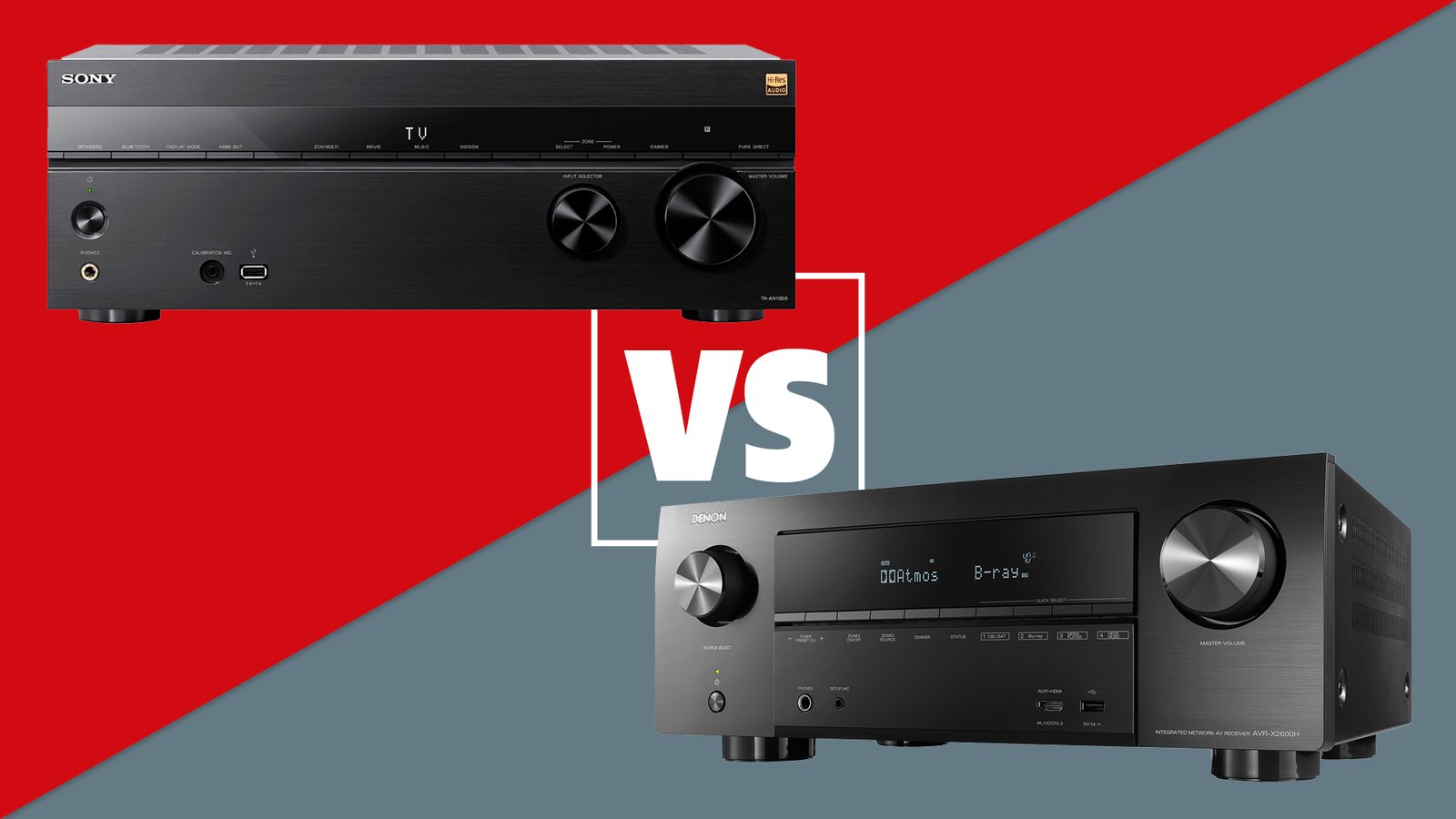
When comparing Denon vs Sony in the realm of audio equipment, discerning consumers are often weighing a legacy of specialized high-fidelity sound against a titan of consumer electronics innovation. While both brands offer compelling products across various audio categories, Denon typically excels in traditional home theater and audiophile-grade components like AV receivers and dedicated amplifiers, prioritizing sound purity and robust build. Sony, on the other hand, boasts a broader portfolio, often leading in cutting-edge features, wireless technology, and consumer-friendly integrated systems, particularly in areas like noise-cancelling headphones and soundbars. This article will delve deep into the philosophies, product lines, and performance characteristics of these two audio giants to help you determine which brand best aligns with your auditory preferences and home entertainment needs.
Understanding the Contenders: Denon and Sony Philosophies
Denon: The Audiophile’s Heritage
Denon, a Japanese electronics company founded in 1910, has a rich history steeped in audio innovation. From being instrumental in the development of the PCM digital audio recorder to producing some of the first commercial CDs, Denon has consistently focused on delivering high-fidelity sound. Their philosophy centers on precision engineering, robust build quality, and a commitment to reproducing audio as faithfully as possible. Denon’s core strength lies in its home theater components, particularly AV receivers and integrated amplifiers, where they are renowned for their warm, powerful, and detailed sound signature. They cater to enthusiasts who prioritize sound quality, expandability, and long-term reliability.


Sony: The Innovator’s Empire
Sony Corporation, established in 1946, is a multinational conglomerate with an immense footprint across electronics, entertainment, and gaming. In the audio sector, Sony is known for its relentless innovation, often pushing boundaries with new technologies, sleek designs, and user-friendly features. While they produce high-end audiophile gear, their broader strategy targets a wider consumer base with products that integrate seamlessly into modern lifestyles. Sony excels in areas like noise-cancelling headphones, soundbars, portable audio, and integrated home entertainment systems. Their philosophy often balances sound quality with convenience, advanced digital processing, and a comprehensive ecosystem of connected devices.
Head-to-Head: Key Product Categories
AV Receivers: The Heart of Home Theater
This is arguably the most direct and frequent point of comparison between Denon and Sony. Both brands offer a wide range of AV receivers, from entry-level models to high-end enthusiast units, but their approaches differ significantly.
Denon AV Receivers: Precision and Power
- Sound Quality: Denon AV receivers are celebrated for their powerful, dynamic, and refined sound. They often feature discrete amplification for each channel, large power transformers, and high-quality DACs (Digital-to-Analog Converters) to ensure clean, robust audio reproduction. Many users describe Denon’s sound profile as warm, full-bodied, and highly musical, excelling in both cinematic soundtracks and stereo music playback.
- Room Correction: Denon heavily relies on Audyssey MultEQ XT32 (or variations like XT and XT32) for its room correction technology. Audyssey is highly regarded for its ability to analyze a room’s acoustics and calibrate speaker output to achieve optimal sound, compensating for room anomalies and speaker placement. This often results in a more cohesive and immersive surround sound experience.
- Features & Connectivity: Denon receivers are typically feature-rich, offering extensive connectivity options including multiple HDMI 2.1 inputs (supporting 8K/60Hz and 4K/120Hz), HDCP 2.3, eARC, and a wide array of analog and digital audio inputs. They often include advanced surround sound formats like Dolby Atmos, DTS:X, and IMAX Enhanced. Denon also integrates its HEOS multi-room audio platform, allowing seamless streaming to other HEOS-enabled devices.
- Build Quality: Denon receivers are known for their sturdy construction, often featuring heavy chassis and quality components designed for durability and performance.
- User Interface: While functional, Denon’s on-screen display (OSD) and remote controls are often described as utilitarian rather than visually striking. Setup wizards are generally comprehensive and easy to follow.
Sony AV Receivers: Innovation and Integration
- Sound Quality: Sony AV receivers deliver a clean, clear, and often punchy sound, especially appealing for action-packed movies. While they may not always possess the same “warmth” or “musicality” that Denon is often praised for in stereo music, they provide an engaging and dynamic home theater experience. Sony often incorporates its own digital sound processing technologies to enhance clarity and spatial effects.
- Room Correction: Sony utilizes its proprietary Digital Cinema Auto Calibration (DCAC) system for room correction. While effective, DCAC is generally considered less sophisticated and granular than Audyssey MultEQ XT32, particularly in its ability to fine-tune specific frequencies and address complex room acoustics.
- Features & Connectivity: Sony receivers are also well-equipped with modern features, including HDMI 2.1 support, 8K/60Hz, 4K/120Hz, eARC, and all major surround sound formats. They often integrate well with other Sony devices and feature a more streamlined approach to network connectivity, sometimes leveraging Google Chromecast Built-in or their own Music Center app for multi-room audio.
- Build Quality: Sony receivers are generally well-built, though some perceive them as less “audiophile-grade” in terms of internal component selection compared to Denon in similar price tiers.
- User Interface: Sony often excels in user experience, offering more visually appealing and intuitive on-screen menus and remote controls that integrate well with their broader entertainment ecosystem.
Verdict for AV Receivers: For critical listeners and home theater enthusiasts prioritizing raw audio performance, sophisticated room correction, and a robust, audiophile-grade build, Denon often holds an edge. For those seeking cutting-edge features, seamless integration with other consumer electronics, and a slightly more user-friendly interface, Sony offers compelling alternatives.
Headphones: Personal Audio Experience
This is a category where Sony has made significant strides and often leads the market, particularly in wireless and noise-cancelling segments. Denon also offers a respectable range of headphones, though with a different focus.
Denon Headphones: Purity and Comfort
- Sound Profile: Denon headphones typically aim for a balanced, natural, and highly detailed sound signature, reflecting their audiophile heritage. They often excel in reproducing nuances in music with clarity and a wide soundstage.
- Build Quality & Comfort: Many Denon headphones, especially their over-ear models, are known for premium materials (wood, leather, metal) and exceptional comfort, designed for extended listening sessions.
- Focus: Denon’s headphone lineup often caters more to wired listening and critical audio playback, though they do offer some excellent wireless and noise-cancelling options.
- Notable Models: Their “AH” series (e.g., AH-D9200, AH-D7200) are highly regarded by audiophiles.
Sony Headphones: Innovation and ANC Dominance
- Sound Profile: Sony headphones offer a diverse range of sound profiles, from relatively neutral in their studio monitors to more consumer-friendly, bass-forward tunings in their popular wireless models. They are known for their clarity, dynamic range, and often excellent digital sound processing.
- Noise Cancellation: Sony is a recognized industry leader in active noise cancellation (ANC) technology, particularly with their WH-1000XM series. Their ANC is often considered among the best, effectively silencing a wide range of ambient noises.
- Features & Connectivity: Sony headphones are packed with features like LDAC (their high-resolution audio codec), DSEE Extreme (upscaling compressed audio), touch controls, excellent battery life, and seamless Bluetooth connectivity. They often integrate with a robust companion app for customization.
- Design & Comfort: Sony headphones combine sleek, modern aesthetics with ergonomic designs, offering good comfort for most users.
- Notable Models: The WH-1000XM series (e.g., WH-1000XM5) and WF-1000XM series (true wireless earbuds) are flagship products.
Verdict for Headphones: For unparalleled active noise cancellation, cutting-edge wireless features, and a generally more consumer-oriented, versatile package, Sony is the clear leader. For audiophiles prioritizing pure, natural sound reproduction, premium build materials, and extended comfort for critical listening, Denon offers strong contenders.
Home Theater Systems & Soundbars
Both brands offer solutions for integrated home theater, but with different philosophies.
Denon Home Theater Systems & Soundbars
Denon’s approach to integrated home theater often revolves around its AV receivers as the central hub, paired with discrete speakers. They do offer a limited range of soundbars (e.g., Denon Home Sound Bar 550) that integrate with their HEOS multi-room ecosystem, providing excellent sound quality for their category. These are typically aimed at users who want a step up from basic TV audio but still value Denon’s audio fidelity and HEOS connectivity.
Sony Home Theater Systems & Soundbars
Sony offers a vast array of soundbars and all-in-one home theater systems, often pioneering new form factors and technologies. They excel in creating immersive experiences with minimal clutter, using technologies like Vertical Surround Engine or S-Force PRO Front Surround to simulate multi-dimensional audio from a single bar. Their soundbars often integrate seamlessly with Sony TVs and offer features like eARC, Dolby Atmos, DTS:X, and even wireless rear speakers for a true surround experience. Sony’s focus here is on convenience, sleek design, and bringing advanced audio to a broader audience.
Verdict for Integrated Systems: Sony clearly dominates the soundbar and all-in-one home theater system market with a wider selection, innovative virtual surround technologies, and strong integration with their TV lineup. Denon’s offerings in this space are fewer but maintain their characteristic sound quality and HEOS integration.
Other Audio Components
Denon’s Strengths:
- Integrated Amplifiers & Stereo Components: Denon has a strong lineup of dedicated stereo integrated amplifiers, CD players, and network audio players (e.g., Denon PMA series, DCD series). These are built for discerning music lovers who prioritize two-channel audio fidelity above all else.
- Turntables: Denon produces a range of high-quality turntables (e.g., DP series) that appeal to vinyl enthusiasts, often featuring robust construction and excellent sound reproduction.
Sony’s Strengths:
- Portable Audio Players: Sony’s Walkman line, particularly their high-resolution audio players (e.g., NW-ZX series, NW-WM series), are highly respected by portable audiophiles.
- High-Resolution Audio: Sony has been a significant proponent of High-Resolution Audio (Hi-Res Audio) across many of its product lines, from portable players to home theater components, often incorporating their own proprietary technologies to enhance sound.
- Wireless Speakers: Sony offers a wide range of portable and home wireless speakers, often with impressive bass and party features.
Technological Innovations and Ecosystems
Denon’s HEOS Ecosystem
Denon’s primary ecosystem play is HEOS (Home Entertainment Operating System). HEOS is a robust multi-room audio platform that allows users to stream music from various sources (streaming services, local files, network drives) to multiple HEOS-enabled devices throughout their home. This includes Denon AV receivers, soundbars, and dedicated HEOS wireless speakers. It’s a reliable and high-quality system for distributed audio.
Sony’s Broader Ecosystem and AI
Sony’s ecosystem is much broader, encompassing TVs, smartphones, gaming consoles (PlayStation), cameras, and various audio devices. This allows for seamless integration and control across a wider range of products. Sony often incorporates AI-driven technologies, such as their DSEE Extreme for audio upscaling or their 360 Reality Audio for immersive spatial sound, into many of their devices. Their Music Center app serves as a central hub for controlling many of their audio products, and they often leverage open standards like Chromecast Built-in for multi-room audio.
User Experience and Interface
- Denon: Denon’s user experience, especially for AV receivers, is functional and comprehensive. Their setup assistants are clear, and the Audyssey room correction process is well-documented. However, their on-screen menus can sometimes feel dated compared to Sony’s more modern interfaces. Remotes are typically full-featured but can be complex.
- Sony: Sony generally prioritizes a sleek, intuitive, and modern user interface. Their graphical menus are often more visually appealing and easier to navigate. Sony’s integration with smart home platforms and voice assistants is usually more robust, reflecting their broader consumer electronics focus. Their remote controls are often streamlined and user-friendly.
Target Audience and Use Cases
Who is Denon for?
- Home Theater Enthusiasts: Individuals who prioritize cinematic audio performance, powerful amplification, and comprehensive surround sound capabilities for a dedicated home theater room.
- Audiophiles: Music lovers who seek high-fidelity stereo reproduction, warm and detailed sound, and robust, dedicated audio components like integrated amplifiers and turntables.
- Custom Installers: Professionals who appreciate Denon’s reliability, integration options (e.g., control systems), and consistent performance.
- Long-Term Investment Buyers: Consumers looking for durable, upgradeable components that offer excellent sound quality for years.
Who is Sony for?
- Tech-Savvy Consumers: Individuals who appreciate cutting-edge features, sleek design, and seamless integration with other smart devices.
- Casual Home Entertainment Users: Those seeking convenient, space-saving audio solutions like soundbars that significantly upgrade TV sound without complex setups.
- Commuters & Travelers: People who prioritize industry-leading noise cancellation and advanced features in portable headphones.
- Gamers: With PlayStation integration and often low-latency audio solutions, Sony appeals to the gaming community.
- Brand Loyalists: Consumers who already own Sony TVs or other electronics and want a cohesive ecosystem.
Pros and Cons Summary
Denon
Pros:
- Superior sound quality and amplification in AV receivers.
- Excellent Audyssey room correction technology.
- Robust build quality and premium components.
- Strong legacy in high-fidelity audio.
- HEOS multi-room audio ecosystem.
- Excellent dedicated stereo components (amplifiers, turntables).
Cons:
- On-screen interface can feel dated.
- Less emphasis on consumer-friendly integrated systems (e.g., soundbars).
- Generally higher price point for comparable features in some categories.
- Less ubiquitous in portable audio and noise-cancelling headphones compared to Sony.
Sony
Pros:
- Industry-leading noise cancellation in headphones.
- Innovative features and sleek, modern designs.
- Extensive range of soundbars and integrated home theater solutions.
- User-friendly interfaces and seamless integration within its broad ecosystem.
- Strong presence in portable audio and high-resolution audio.
- Competitive pricing across many consumer segments.
Cons:
- AV receiver sound quality, while good, may not always match Denon’s audiophile-grade warmth and depth.
- Proprietary room correction (DCAC) is generally less advanced than Audyssey.
- Some products prioritize features and convenience over absolute raw audio fidelity.
Making the Right Choice: Factors to Consider
Choosing between Denon and Sony ultimately comes down to your specific priorities, budget, and existing home entertainment setup.
- Primary Use Case:
- Dedicated Home Theater: If your main goal is to build a high-performance home theater with discrete speakers and you prioritize immersive, powerful sound, Denon AV receivers are often the preferred choice.
- Casual TV Audio Upgrade: For a significant upgrade to TV sound without the complexity of an AV receiver, Sony’s wide range of soundbars offers excellent plug-and-play solutions.
- Personal Listening (Headphones): If top-tier noise cancellation, wireless features, and portability are paramount, Sony excels. If pure, uncolored sound and premium comfort for critical listening are your focus, Denon has strong offerings.
- Stereo Music Listening: For serious two-channel audio, Denon’s dedicated integrated amplifiers and CD players are highly regarded.
- Budget: Both brands offer products across various price points, but Denon’s higher-end AV receivers and stereo components often represent a more significant investment in pure audio performance. Sony often offers more competitive pricing for feature-rich consumer electronics.
- Existing Ecosystem: If you already own a Sony TV, a Sony soundbar or receiver might offer more seamless integration and control. If you’re building a new audio system from scratch, you have more flexibility.
- Technical Prowess vs. User-Friendliness: Are you comfortable delving into detailed audio settings and calibrations (Denon), or do you prefer a more streamlined, intuitive experience (Sony)?
- Aesthetics and Design: Sony often favors sleek, modern, and minimalist designs, while Denon’s aesthetic is more traditional and robust, especially in its home theater components.
Conclusion
In the perennial debate of Denon vs Sony, there isn’t a single victor, but rather two distinct paths to audio excellence. Denon stands as a bastion of traditional high-fidelity audio, celebrated for its powerful, precise, and musical sound reproduction, particularly in AV receivers and dedicated stereo components. It caters to the audiophile and the home theater purist who values robust engineering and uncompromised sound quality. Sony, conversely, is a powerhouse of innovation, offering a vast array of audio products that blend cutting-edge technology, user-friendly features, and stylish design. It excels in areas like noise-cancelling headphones, integrated soundbars, and creating a cohesive, modern entertainment ecosystem. Your ultimate decision will hinge on your specific audio priorities, whether you lean towards Denon’s audiophile heritage and robust performance or Sony’s innovative features, broad appeal, and seamless integration into modern digital lifestyles. Both brands offer exceptional products that continue to push the boundaries of what’s possible in sound.
Frequently Asked Questions (FAQs)
Q1: Is Denon better than Sony for home theater?
For dedicated home theater enthusiasts prioritizing raw audio power, precise sound reproduction, and advanced room correction (Audyssey), Denon AV receivers are generally considered superior. They often offer a more detailed, warm, and dynamic sound signature. Sony receivers are excellent for integration and features but may not always match Denon’s audiophile-grade sound depth.
Q2: Which brand is better for headphones, Denon or Sony?
Sony generally leads the market for wireless and noise-cancelling headphones, particularly with its WH-1000XM series, offering industry-leading ANC, advanced features, and excellent sound. Denon headphones, while also high-quality, often cater more to audiophiles seeking pure, balanced sound and premium comfort for critical wired listening.
Q3: Does Denon or Sony offer better multi-room audio?
Denon offers its proprietary HEOS multi-room audio ecosystem, which is robust and delivers high-quality streaming to Denon/Marantz devices. Sony’s multi-room capabilities often leverage their Music Center app and integrate with open standards like Chromecast Built-in, allowing for broader compatibility with other devices in their extensive ecosystem. The “better” depends on whether you prefer a dedicated, closed system (HEOS) or a more open, integrated approach (Sony).
Q4: Which brand is more user-friendly for setup and daily use?
Sony generally offers a more user-friendly experience with intuitive on-screen menus, streamlined remote controls, and better integration with smart home platforms. Denon’s setup wizards are comprehensive, but its interfaces can sometimes feel more utilitarian, catering to users who are comfortable with more detailed audio configurations.
Q5: Is Denon more expensive than Sony?
It varies by product category and model. In general, for comparable high-end AV receivers and dedicated stereo components, Denon can often be more expensive due to its focus on premium internal components and audiophile-grade performance. Sony offers a wider range of products across all price points, often providing excellent value for feature-rich consumer electronics like soundbars and headphones.