
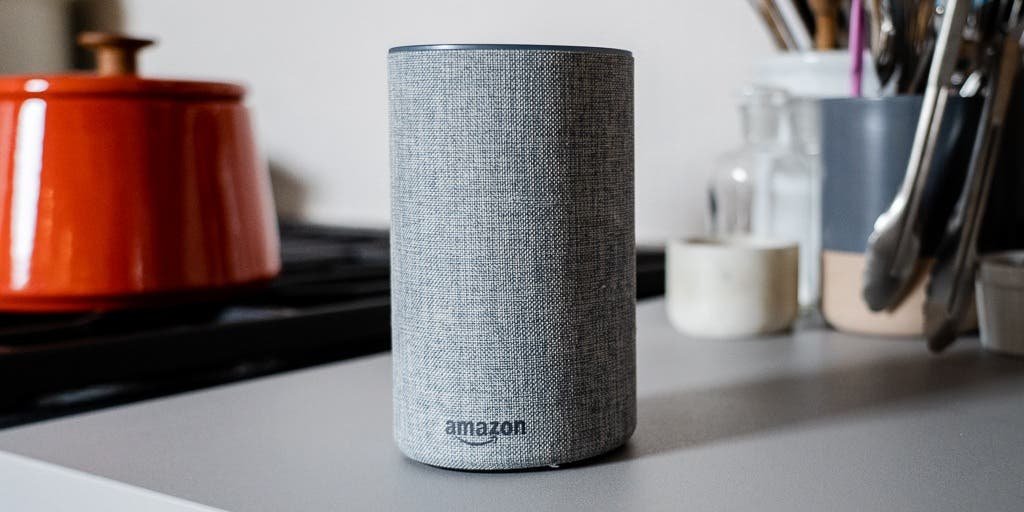
Many users wonder how can you stop Amazon from listening to your Alexa recordings. Protecting your privacy with smart devices like Amazon Echo is a growing concern for many.
Fortunately, Amazon provides several robust features and settings that allow you to manage and limit how your voice data is collected and used.
This comprehensive guide will walk you through each method, ensuring you maintain control over your personal information.
Understanding Alexa’s Listening: Wake Words and Privacy
Before diving into solutions, it’s helpful to understand how Alexa typically functions. Your Echo device is always listening for its “wake word” such as “Alexa,” “Echo,” or “Computer.”
It does this by continuously processing short snippets of audio locally on the device.
How Alexa Processes Audio
When Alexa detects the wake word, it begins recording your voice command. This recording is then sent to Amazon’s cloud servers for processing.
The cloud is where Alexa interprets your request and provides a response.
The Role of Wake Words
The wake word acts as a trigger. Without it, Alexa is not supposed to send your conversations to the cloud.
However, accidental activations can occur, leading to recordings you didn’t intend.
Physical Mute: The Simplest Way to Stop Alexa Recordings
The most direct method to ensure Amazon isn’t listening is to physically mute your Echo device. This action disables the microphone entirely.
It provides instant peace of mind and is easy to verify.
Locating the Mute Button
Most Amazon Echo devices have a dedicated mute button. This button is usually represented by a microphone icon with a line through it.
It is typically located on the top of the device.
What Happens When You Mute Alexa?
When you press the mute button, the light ring on your Echo device will change color, often turning red.
This visual indicator confirms that the microphone is off and Alexa cannot hear any commands, including the wake word.
You can then speak freely without concern for privacy.
Controlling Your Microphone Through the Alexa App
For those who prefer digital control, the Alexa app offers a way to manage your device’s microphone settings. This method is useful if your device is out of reach or if you want to manage settings remotely.
It gives you flexibility in managing your privacy.
Step-by-Step Guide to Disabling the Microphone
Follow these steps to turn off your Echo’s microphone using the Alexa app:
- Open the Alexa app on your smartphone or tablet.
- Tap the “Devices” icon at the bottom right.
- Select “Echo & Alexa” from the list.
- Choose your specific Echo device.
- Tap the “Settings” gear icon.
- Scroll down and locate the “Microphone” section.
- Toggle the switch to turn the microphone “Off.”
Your device will typically show a red light ring, confirming the microphone is disabled.
Benefits of App-Based Control
Using the app allows for convenient management of your device settings from anywhere. You can quickly enable or disable the microphone as needed.
This offers a balance between privacy and functionality.
Preventing Unintended Activation: Turning Off Alexa’s Wake Word
If you don’t want Alexa to respond to its wake word, you can disable this feature. This prevents the device from sending recordings to the cloud based on accidental wake word detection.
It’s a key step if you want to control exactly when Alexa listens.
Why Disable the Wake Word?
Disabling the wake word ensures that Alexa won’t activate unless you manually press its action button.
This significantly reduces the chances of unintended recordings of your conversations.
How to Change or Disable Wake Words in the Alexa App
Here’s how to manage wake words through the app:
- Launch the Alexa app on your mobile device.
- Go to the “Devices” section.
- Tap “Echo & Alexa” and select your device.
- Tap the “Settings” gear icon.
- Scroll down to find the “Wake Word” option.
- You can either select a different wake word or choose “None” to disable it.
Remember, if you select “None,” you’ll need to press the action button on your Echo device to activate Alexa.
Enhancing Privacy with Voice Recognition (Voice Profiles)
Setting up voice recognition, also known as voice profiles, adds another layer of security. This feature allows Alexa to recognize individual voices within your household.
It helps personalize experiences and can prevent unauthorized use.
What Are Alexa Voice Profiles?
Voice profiles train Alexa to distinguish between different users. Once set up, Alexa can respond differently based on who is speaking.
This is useful for personalized music, shopping, and calendar updates.
Steps to Create a Voice Profile
To create a voice profile for enhanced privacy:
- Open the Alexa app.
- Tap “More” at the bottom right.
- Select “Settings”, then “Alexa Privacy.”
- Tap on “Manage Your Alexa Data.”
- Choose “Manage Alexa Voice ID.”
- Follow the on-screen prompts to create your voice profile by saying a few phrases.
Encourage all household members to create their own voice profiles.
How Voice Profiles Boost Your Privacy
While voice profiles primarily offer personalization, they indirectly enhance privacy. Alexa is less likely to misinterpret commands from unrecognized voices.
This reduces the chance of unwanted actions or data collection from guests.
Managing Your Alexa Data: Deleting Past Recordings
Even if you’ve taken steps to prevent future recordings, you might be concerned about past voice interactions. Amazon allows you to review and delete your stored voice recordings.
This is a critical step in maintaining your privacy over time.
Why Regularly Delete Recordings?
Deleting recordings ensures that your past voice interactions are not stored indefinitely on Amazon’s servers.
It’s a good practice to regularly clear this data, especially if you have sensitive conversations.
How to Delete Recordings in the Alexa App
You can easily delete your voice history:
- Open the Alexa app.
- Tap “More”, then “Settings.”
- Select “Alexa Privacy.”
- Tap “Manage Your Alexa Data.”
- Under “Voice History,” you can choose to review specific recordings.
- You can delete individual recordings, recordings by date range, or all recordings.
Confirm your selection to permanently remove the data.
Setting Up Automatic Deletion
Amazon also offers an option to automatically delete recordings. This can be set for 3 or 18 months, or you can choose not to save any recordings.
This automated process simplifies privacy management.
- From “Manage Your Alexa Data,” select “Choose how long to save recordings.”
- Select your preferred duration (e.g., “3 months,” “18 months,” or “Don’t save recordings”).
- Confirm your choice to apply the setting.
By opting not to save recordings, you further enhance your privacy against future data retention.
Opting Out: Stopping Amazon from Using Your Voice Recordings for Improvements
Beyond simply storing recordings, Amazon uses some anonymized voice data to improve Alexa’s understanding and services. You have the right to opt out of this program.
This ensures your voice data isn’t used for broader product development.
Understanding Amazon’s Use of Recordings
Amazon states that using voice recordings helps Alexa become smarter and more accurate. This often involves human review of a small percentage of anonymized recordings.
However, many users prefer their data not be used this way.
Step-by-Step: Opting Out of Voice Recording Use
To prevent Amazon from using your recordings for improvements:
- Open the Alexa app.
- Tap “More”, then “Settings.”
- Select “Alexa Privacy.”
- Tap “Manage Your Alexa Data.”
- Look for the section titled “Help Improve Alexa.”
- Toggle off the setting for “Use of voice recordings to improve Amazon services and develop new features.”
This action ensures your voice data is not included in the improvement process.
Beyond Settings: Additional Alexa Privacy Best Practices
While configuring settings is crucial, adopting smart habits can further enhance your privacy. These practices complement the app and physical controls.
They provide a holistic approach to securing your smart home.
Strategic Device Placement
Consider where you place your Echo device. Avoid putting it in sensitive areas like bedrooms or bathrooms if you have privacy concerns.
Place it in common areas where its purpose is clear and expected.
Reviewing Amazon’s Privacy Policy
Periodically review Amazon’s updated privacy policy. Understanding their data handling practices can inform your privacy choices.
Policies can change, so staying informed is important.
Using Guest Connect and Do Not Disturb
If you have guests, consider using Alexa Guest Connect. This allows guests to use your Echo without accessing your personal accounts or data.
The “Do Not Disturb” feature can also prevent notifications and responses during specific times, adding to a sense of privacy.
Educating Household Members
Ensure everyone in your household understands the privacy settings and how to use the mute button. Clear communication helps maintain consistent privacy practices.
It creates a shared responsibility for data security.
Frequently Asked Questions
How can you stop Amazon from listening to your Alexa recordings permanently?
To permanently stop Amazon from listening, you can either keep the microphone physically muted on your Echo device or choose the “Don’t save recordings” option in the Alexa app’s privacy settings under “Manage Your Alexa Data.” Disabling the wake word also prevents constant listening.
Does muting Alexa stop all recordings?
Yes, physically muting your Alexa device by pressing the microphone button will disable the microphone entirely. This prevents Alexa from hearing any audio, including the wake word, and thus stops all recordings.
Can Amazon employees listen to my Alexa conversations?
Amazon previously confirmed that a small fraction of anonymized Alexa recordings could be reviewed by human auditors to improve the service. However, you can opt out of this program in the Alexa app by turning off the “Use of voice recordings” setting under Alexa Privacy.
What happens if I delete my Alexa voice history?
When you delete your Alexa voice history, those specific recordings are removed from Amazon’s cloud servers. This means they can no longer be accessed or used by Amazon for service improvement or other purposes.
Is it possible for Alexa to record me without the wake word?
Alexa devices are designed to only record and send audio to the cloud after detecting a wake word or an action button press. While accidental activations can occur if sounds resemble the wake word, continuous recording without a trigger is not how the device is designed to function.
How often should I check my Alexa privacy settings?
It’s a good practice to review your Alexa privacy settings periodically, perhaps once every few months or after major app updates. This ensures your preferences are still active and you’re aware of any new privacy features or changes.
Conclusion
Understanding how can you stop Amazon from listening to your Alexa recordings is crucial for modern digital privacy. By utilizing the physical mute button, adjusting settings in the Alexa app, and adopting smart privacy habits, you can significantly control your voice data.
From disabling microphones and wake words to managing and deleting past recordings, Amazon provides the tools you need.
Take charge of your smart home privacy today. Regularly review your settings and make informed choices to ensure your personal conversations remain private.
Empower yourself with these steps for a more secure and comfortable Alexa experience.