
Smart Home technology provides centralized control of lighting, heating, and other devices. Home Automation involves automating tasks based on user preferences or schedules.
Exploring the realm of connected living, smart homes and home automation are revolutionizing how we interact with our living spaces. These systems empower users to manage their home environments for enhanced comfort, efficiency, and security. With the touch of a button or a simple voice command, individuals can control various aspects of their home, ranging from climate to entertainment systems.
This technological shift not only offers convenience but also contributes to energy savings and can even increase property value. As more people embrace the digital lifestyle, understanding the nuances between smart home setups and home automation becomes crucial. Both aim to streamline daily life, yet they differ in complexity and the level of user interaction required.
Smart Home And Home Automation: Unraveling The Basics
Today’s homes are smarter and more connected than ever. Smart homes and home automation are reshaping how we live. Understanding these terms can be confusing. Let’s explore the basics.
Defining Smart Home
A smart home uses advanced technology. It makes life easier and more comfortable. Smart homes have devices that talk to each other. They can be controlled remotely. This includes lights, thermostats, and security systems.
- Convenience: Control features with a smartphone or voice commands.
- Energy efficiency: Adjust settings to save on bills.
- Security: Monitor your home from anywhere.
Understanding Home Automation
Home automation is a key part of smart homes. It’s about setting up systems to work automatically. Imagine your lights turning on at sunset. Or your heating adjusting itself. That’s home automation in action.
| Feature | Benefits |
|---|---|
| Scheduled tasks | Never forget to turn off lights again. |
| Remote control | Manage your home from anywhere. |
| Customization | Set up your home to suit your lifestyle. |
Credit: newcomme.com
Historical Evolution: From Manual To Automated Homes
The journey from manual to automated homes is fascinating. Homes once needed hands for everything. Now, technology does many tasks for us. Let’s explore how this change happened.
The Origins Of Home Automation
The idea of home automation is not new. In the early 1900s, people imagined homes that could do tasks alone. The first steps were simple. They included things like automatic toasters and vacuum cleaners.
- 1920s: The first home appliances appear.
- 1930s: Homes start to use more electric devices.
- 1960s: The idea of a “smart house” begins.
These steps were small but important. They made life easier.
The Rise Of Smart Home Technology
Fast forward to the 21st century, smart home technology takes off. Internet and Wi-Fi change everything. Now, devices in our homes can talk to each other.
| Year | Technology |
|---|---|
| 2000s | Wi-Fi becomes common in homes. |
| 2010s | Smartphones control home devices. |
| 2020s | Voice assistants manage tasks. |
These technologies make homes smarter. They help us save time and energy. The future looks even more exciting. Our homes will keep getting smarter. They will help us in new and amazing ways.
Core Technologies: The Building Blocks
Core Technologies: The Building Blocks are essential for Smart Home and Home Automation systems. They make homes smarter and lives easier. Let’s explore the key components that power these innovative systems.
Network Protocols And Standards
Devices in smart homes communicate through network protocols. Protocols are rules for data exchange. Standards ensure devices from different brands work together. The main protocols are:
- Wi-Fi: Common for wireless home networks.
- Zigbee & Z-Wave: Low-power networks for many devices.
- Bluetooth: Connects devices over short distances.
Standards like IoT (Internet of Things) help devices ‘talk’ to each other. They make sure your smart lock can communicate with your smart lights, for example.
Sensors And Actuators
Sensors are the eyes and ears of your smart home. Actuators are the hands and feet. Together, they respond to your commands.
| Sensors | Actuators |
|---|---|
| Temperature sensors | Smart thermostats |
| Motion detectors | Automatic door locks |
| Light sensors | Smart light bulbs |
Sensors detect changes in the environment. Actuators make changes, like adjusting the temperature. Together, they automate tasks and make your home responsive.
Functionality And Control: How They Operate
Smart homes and home automation systems change how we interact with our living spaces. Each offers unique controls and functionalities. Let’s explore how they operate to enhance our daily lives.
Smart Home Interactivity
Smart homes connect devices and appliances. They provide seamless control. Users manage settings through apps or voice commands. Smart homes learn from behaviors to suggest adjustments.
- Control lights with a tap or voice.
- Adjust thermostats from anywhere.
- Get alerts for security breaches.
Devices talk to each other for a cohesive experience. For example, smart thermostats adjust based on room occupancy.
Home Automation Systems
Home automation systems perform tasks automatically. They follow pre-set rules. Homeowners enjoy hands-off operation. Systems can schedule actions without user input.
| System | Function |
|---|---|
| Security | Locks doors at night |
| Lighting | Turns off when rooms are empty |
| Heating | Adjusts to save energy |
Automation systems prioritize efficiency. They offer peace of mind and energy savings. Users set them and forget them.
Integration Capabilities: Seamless Vs. Structured
Let’s dive into the world of Integration Capabilities: Seamless vs. Structured. This part is crucial when choosing between a Smart Home and Home Automation. One offers a smooth experience. The other requires more planning.
Smart Home Ecosystems
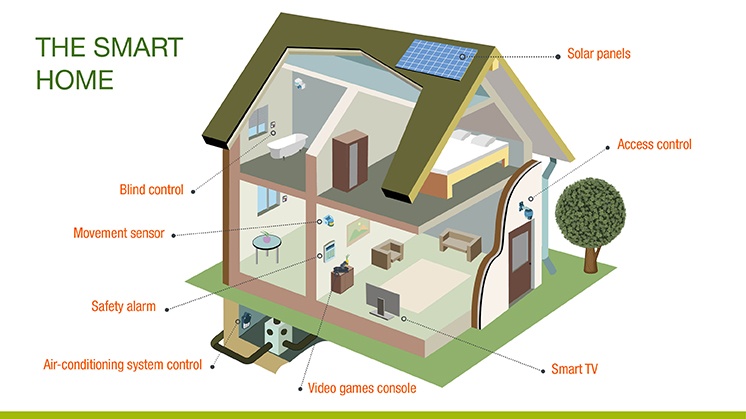
A Smart Home Ecosystem connects devices easily. It’s like magic. Your lights, thermostat, and TV talk to each other. This setup is seamless. No need for extra steps. Users enjoy comfort and convenience without hassle.
- Easy to use: Control everything with one app.
- Flexible: Add new devices anytime.
- Efficient: Save energy and time.
Automation Integration Challenges
Home Automation is more structured. It needs a plan. Each device must fit into the system. Sometimes, it’s tricky. Not all devices talk the same language. This can create integration challenges.
- Compatibility issues between different brands.
- Technical knowledge required for setup.
- Possible need for additional equipment.
Yet, with the right approach, these challenges are manageable. Your home becomes smarter and more efficient.
| Feature | Smart Home | Home Automation |
|---|---|---|
| Integration | Seamless | Structured |
| Setup | Easy | Requires planning |
| User-Friendliness | High | Varies |
Credit: www.iberdrola.com
User Experience: Convenience And Complexity
User Experience: Convenience and Complexity shapes how we interact with smart homes and home automation systems. These technologies promise to make life easier. Yet, they bring their own challenges.
Ease Of Use And Accessibility
Smart home devices aim for effortless control. A well-designed system allows simple commands to manage your home. Lights, thermostats, and security systems should respond to touch or voice seamlessly.
- Voice assistants like Alexa or Google Home ease interactions.
- Smartphone apps put control in your pocket.
- Remote access means comfort is always at hand.
Accessibility features also support those with disabilities. Voice and gesture controls help users with mobility issues. Large icons and text assist those with visual impairments.
Customization And Learning Curve
Customization turns a house into your home. Smart systems must adapt to your routines and preferences. But this personalization comes with a learning curve.
- Initial setup requires time and patience.
- Users must learn app interfaces and device quirks.
- Integration of different brands may need technical know-how.
As users invest time, smart homes get smarter. They learn from your behaviors. They adjust to your schedule and habits. Over time, your home becomes more attuned to your life.
Patience pays off with a tailored, responsive living space. Yet, not all are tech-savvy. Some may find the process daunting.
| Feature | Benefit | Consideration |
|---|---|---|
| Automated Schedules | Convenience | Setup Complexity |
| Device Interoperability | Unified Control | Brand Compatibility |
| Remote Access | Control Anywhere | Security Risks |
Balance is key. Aim for systems that blend simplicity and function. User-friendly design ensures everyone enjoys the benefits of a modern, automated home.
Security And Privacy: Critical Considerations
Smart homes and home automation bring comfort and efficiency. Yet, security and privacy are vital. Users must protect their homes and data. This section explores key measures for security and privacy.
Protecting Your Smart Home
Smart homes need protection from intrusions and cyber threats. Here are steps to keep your home safe:
- Use strong passwords. Make them unique for each device.
- Update regularly. Software updates fix security flaws.
- Secure your network. Use encryption and firewalls.
- Control access. Manage who can control your smart devices.
Safekeeping Automation Data
Your home automation system collects data. Protect this information with these tips:
- Encrypt data. This keeps your information safe.
- Backup regularly. Save your data in multiple places.
- Review permissions. Know which apps access your data.
- Monitor activity. Watch for unusual device behavior.

Credit: blog.switch-bot.com
Future Trends: The Road Ahead
The smart home and home automation industries are evolving. New trends shape how we live. Let’s explore these exciting developments.
Innovations In Automation
AI is changing home automation. Devices learn from habits. They make life easier. Robotics also enters homes. They perform tasks automatically. Voice control gets more accurate. It understands different languages better. Inter-device communication is now seamless. This means devices work together without issues.
- Machine learning lets devices adapt to routines.
- Robotic vacuums and mowers save time.
- Smart speakers respond to complex commands.
Smart Home Technology Advancements
Smart homes get more integrated. IoT connects more devices. Security systems are smarter. They detect threats faster. Energy efficiency improves. Homes use less power. This saves money.
| Tech | Benefits |
|---|---|
| IoT devices | Connectivity and convenience |
| Security | Faster threat detection |
| Energy saving | Cost-effective living |
Wearables control smart homes too. They track health. They also manage home settings. Cloud computing offers better data storage. It makes smart homes smarter.
- Wearables become remote controls.
- Health tracking integrates with home systems.
- Cloud computing boosts smart home brainpower.
Decision Making: Choosing The Right System For Your Home
Decision Making: Choosing the Right System for Your Home can seem daunting. Smart Home and Home Automation bring comfort and convenience. Yet, picking the perfect system matters. Homeowners must consider needs, budget, and system features. This ensures a wise investment in home technology.
Assessing Needs And Budget
Understanding personal needs and financial limits is key. List what you want to control in your home. Lights, temperature, security, or entertainment? Set a budget that reflects your priorities. Remember, quality matters more than quantity.
- Identify daily routines
- Pinpoint essential smart features
- Allocate funds for initial setup and maintenance
Comparing Features And Benefits
Research different systems. Compare their features. Look for benefits that match your needs. Some offer energy savings, others improve security. Consider user-friendliness and compatibility with other devices.
| System | Key Features | Benefits |
|---|---|---|
| Smart Home | Device integration, voice control | Convenience, efficiency |
| Home Automation | Scheduled actions, remote access | Time-saving, peace of mind |
Consider the long-term impact. A system that grows with your needs is valuable. Choose wisely to enhance your home life.
Economic And Environmental Impact: Beyond Convenience
The discussion on Smart Home vs Home Automation often focuses on convenience. Yet, its Economic and Environmental Impact goes beyond just making life easier. This part of the conversation shines a light on how these technologies can save money and protect our planet.
Energy Efficiency And Savings
Smart homes are not just about controlling your devices remotely. They are about making your home more energy-efficient. With smart thermostats, lights, and appliances, you can significantly reduce your energy consumption. This leads to lower utility bills.
- Smart thermostats adjust the temperature based on your habits.
- LED smart lights use less energy and last longer than traditional bulbs.
- Energy-efficient appliances can be controlled to run at off-peak times, saving on costs.
These changes not only save money but also reduce your carbon footprint.
Sustainable Smart Homes
Sustainability is at the heart of smart home technology. These homes use resources wisely and lessen the impact on the environment.
For example, smart irrigation systems conserve water by watering plants only when necessary. Smart solar panels generate clean energy, reducing reliance on fossil fuels.
| Feature | Benefit |
|---|---|
| Smart Irrigation | Saves water |
| Smart Solar Panels | Generates clean energy |
These innovations contribute to a healthier planet and sustainable living.
Frequently Asked Questions
What Is Smart Home Technology?
Smart Home technology involves the use of internet-connected devices to manage and control home appliances and systems remotely.
How Does Home Automation Enhance Living?
Home Automation streamlines household functions through automated tasks, improving efficiency and convenience for homeowners.
Can Smart Home Save Energy?
Yes, Smart Homes can significantly save energy by automating the operation of lighting, heating, and cooling systems.
What Are The Benefits Of Home Automation?
Home Automation offers benefits like increased security, energy efficiency, convenience, and remote control of home devices.
Are Smart Homes Affordable?
Smart Homes can be affordable with scalable options, allowing homeowners to start with basic setups and expand over time.
Conclusion
Deciding between smart home technology and home automation can be challenging. Each offers unique benefits to enhance your living experience. By understanding your needs, you can choose the right system. Whether it’s convenience, efficiency, or security, there’s a solution. Embrace the future of home living with the option that suits you best.