
Understanding what is the Alexa blue light is key to a seamless smart home experience. This distinctive visual cue from your Amazon Echo device provides immediate feedback. It indicates various states and functions, from active listening to system updates.
The Alexa light ring is more than just a decorative element. It serves as your device’s primary way to communicate its current status. Deciphering these lights helps you interact more effectively with your voice assistant.
The Core Meaning: What is the Alexa Blue Light?
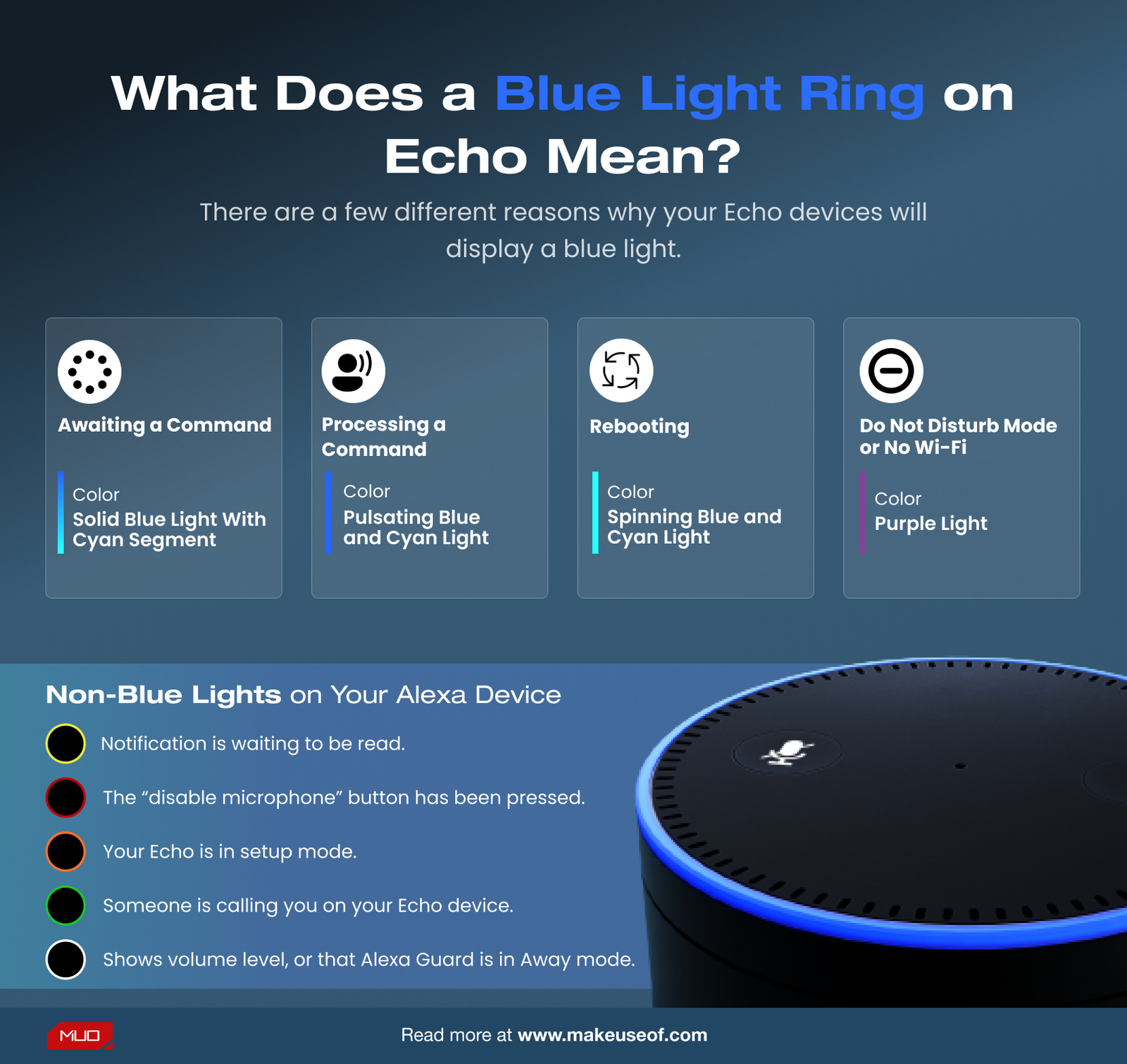
The Alexa blue light is a prominent visual indicator on Amazon Echo devices. It primarily signifies that Alexa is actively listening for your commands.
When you utter the “Alexa” wake word, a cyan spotlight illuminates on the blue ring. This visual cue confirms that your device has heard you.
It then briefly glimmers as Alexa processes your request. This immediate feedback ensures you know your command is being handled.
Beyond listening, the blue light can also signal other important device activities. These include software updates or system processing.
Recognizing these different blue light patterns is crucial. It helps you understand your device’s behavior without needing to check an app.
Decoding the Blue Light: Understanding Its Variations
The blue light on your Alexa device isn’t always uniform. It presents in several variations, each with a specific meaning.
These subtle differences provide important clues about your device’s operational status. Knowing them empowers you to respond appropriately.
Solid Blue Light
A solid blue light on your Alexa device typically means it is in standard listening mode. This state indicates that Alexa is awake and ready to receive your voice commands.
It appears immediately after you say the wake word. The solid blue confirms Alexa is attentive and awaiting your instructions.
If the solid blue light persists without a command, it might suggest an issue. This could be a processing loop or a device malfunction.
Spinning Blue Light
A spinning blue light indicates that Alexa is currently processing a request or task. This visual feedback is common after you give a command.
For example, if you ask Alexa to play music, the blue light will spin. This continues as the device searches for and initiates playback of the requested content.
It also appears when Alexa is connecting to services or performing complex operations. Patience is key when you see this pattern.
If the blue light spins continuously for an extended period, it might signal a problem. This could be a connection issue or a processing error.
Flashing or Pulsing Blue Light
A flashing or pulsing blue light usually serves as a visual cue for a software update. Your device is actively downloading or installing new firmware.
During this time, Alexa may be temporarily unresponsive. It’s best to allow the update to complete without interruption.
Occasionally, a pulsing blue light can also indicate a pending notification. However, yellow is more commonly associated with new messages.
If the flashing persists for an unusually long time, it could suggest an update failure. In such cases, a device restart might be necessary.
Brief Glimmering Blue Light
A brief glimmering or quick flash of blue light often signifies acknowledgment. Alexa has registered your voice or action.
It’s a subtle confirmation that your device is active. This happens during processing or when a command is understood.
Beyond Blue: A Comprehensive Guide to Alexa’s Other Light Ring Colors
While understanding what is the Alexa blue light is fundamental, Alexa uses a spectrum of colors. Each color provides unique insights into your device’s status and notifications.
Familiarizing yourself with these various indicators enhances your interaction. It allows for quicker troubleshooting and better utilization of Alexa’s features.
Orange Light
An orange light indicates that your Alexa device is in setup mode. It signals that the device is trying to connect to your Wi-Fi network.
You’ll typically see this during the initial setup process. It also appears if Alexa loses its Wi-Fi connection and attempts to re-establish it.
If you see a solid orange light, it means Alexa is ready for setup. Use the Alexa app to guide the connection process.
A spinning orange light suggests Alexa is actively trying to connect. Ensure your Wi-Fi network is stable and accessible.
Purple Light
A purple light on your Alexa device has two primary meanings. It can indicate that “Do Not Disturb” mode is active.
In this mode, Alexa will not announce notifications or incoming calls. This provides a period of uninterrupted quiet.
Alternatively, a purple light can signal a Wi-Fi connection failure. This usually happens during setup or after a network interruption.
If you see a pulsing purple light, it’s often a sign of a Wi-Fi issue. Check your router and network settings for problems.
Red Light
A solid red light is a clear indicator that your Alexa device’s microphone is disabled. This means Alexa cannot hear your commands.
It’s a privacy feature, often activated by pressing the microphone mute button on the device. This ensures no audio is being picked up.
To re-enable the microphone, simply press the mute button again. The red light will then turn off.
If you see a red light and Alexa isn’t responding, check the microphone button first. This is a common oversight.
White Light
A white light typically appears when you adjust the volume on your Alexa device. It provides a visual representation of the volume level.
The light ring will briefly illuminate white as you increase or decrease the volume. This helps you gauge the current audio output.
A solid white light can also indicate that Alexa is processing a request. This is less common than blue for processing but can occur.
It may also flash white when a smart home command is successfully executed. For example, turning off a light.
Yellow Light
A pulsing yellow light signals that you have new notifications or messages. This could be a new voice message, an Amazon delivery update, or a reminder.
To hear these notifications, simply say, “Alexa, what did I miss?” or “Alexa, play my messages.”
The yellow light will continue to pulse until all new notifications have been addressed. It’s a useful way to stay informed.
If the yellow light persists after checking, try asking again. Sometimes, notifications can be tricky to clear.
Green Light
A pulsing green light indicates an incoming call or a “Drop In” request. This means someone is trying to connect with your device.
To answer an incoming call, say “Alexa, answer.” To decline, say “Alexa, hang up.”
A spinning green light means you are currently on an active call or Drop In session. It confirms the connection is live.
This feature is part of Alexa’s communication capabilities. It allows for easy voice calls between Echo devices or with the Alexa app.
Common Issues with the Alexa Blue Light and What They Mean
While the Alexa blue light is designed to be informative, it can sometimes indicate underlying problems. Understanding these issues helps in effective troubleshooting.
Addressing these common concerns quickly ensures your Alexa device remains fully functional. It prevents prolonged disruptions to your smart home routine.
Alexa Not Responding Despite Blue Light
One of the most frustrating issues is when the blue light is active but Alexa doesn’t respond. This can happen for several reasons.
Alexa might not have understood your command clearly. Background noise or a soft voice can interfere with voice recognition.
Sometimes, Alexa may misinterpret a command. It might think the request was intended for another nearby Alexa device if you have multiple.
To resolve this, try repeating your command more clearly and precisely. Ensure you are speaking directly to the device.
Check if the device is properly connected to the internet. An unstable connection can lead to delayed or missed responses.
“Blue Ring of Death”
The “blue ring of death” refers to a specific issue where the blue light remains solid and unresponsive. This state indicates that Alexa is stuck in a processing loop.
The device is essentially frozen and cannot execute any commands. This can be caused by software glitches or system errors.
When you encounter this, Alexa will not respond to wake words or physical button presses. It requires intervention to restore functionality.
This issue can be particularly concerning as it renders the device unusable. Immediate troubleshooting steps are required.
Interference From Nearby Devices
Electromagnetic interference from other gadgets can disrupt Alexa’s functionality. This can lead to issues with the blue light indication.
Devices like microwaves, cordless phones, or other Wi-Fi routers can create conflicting signals. This impacts Alexa’s responsiveness.
Such interference can cause Alexa to mishear commands or become unresponsive. The blue light might appear erratically or not at all.
Ensure that there are no conflicting signals or electromagnetic interference around your Alexa device. Try repositioning it away from other electronics.
Wi-Fi Connection Problems
Problems with your Wi-Fi connection are a frequent cause of Alexa displaying a blue light but not responding. A stable internet connection is vital for Alexa’s operation.
If the device cannot connect to the internet, it cannot process commands or access cloud services. This will prevent it from functioning correctly.
The blue light might indicate Alexa is trying to connect or has failed to connect. This can sometimes manifest as a solid or spinning blue light.
Check your Wi-Fi network settings and ensure your internet connection is stable. A weak signal can also cause intermittent issues.
Misinterpretation of Commands
Alexa’s voice recognition, while advanced, isn’t always perfect. It can sometimes misinterpret what you say, leading to unexpected blue light behavior.
If Alexa hears something similar to its wake word, it might activate the blue light. However, it may not understand the subsequent command.
This can result in the blue light appearing briefly. Yet, no action is taken because the command was unclear or misheard.
Speaking clearly and directly to your device helps minimize these misinterpretations. Avoid speaking too quickly or with heavy background noise.
Step-by-Step Troubleshooting for Alexa Blue Light Issues
When you encounter issues with the Alexa blue light, a systematic approach to troubleshooting can help. These steps can resolve most common problems.
Following these instructions will assist you in restoring your device’s normal functionality. It ensures a smooth and reliable Alexa experience.
Repeating the Command Clearly
If Alexa’s blue light is on but it’s not responding, the first step is to repeat your command. Sometimes, Alexa may not have understood your initial request.
Speak clearly and at a moderate pace. Ensure there is minimal background noise when you give the command.
Try rephrasing your request if the first attempt fails. Sometimes, different wording can help Alexa understand better.
Confirm that you are within a reasonable distance from the device. This ensures your voice is picked up effectively.
Checking Wi-Fi Connection
Ensure that your Alexa device is properly connected to Wi-Fi. A solid or spinning blue light can sometimes indicate connection attempts or failures.
Open the Alexa app on your smartphone or tablet. Navigate to “Devices” and then select your specific Echo device.
Check its network status within the app. If it shows as offline or disconnected, you’ll need to reconnect it.
You can also try restarting your Wi-Fi router. Unplug it for 30 seconds, then plug it back in and wait for it to fully restart.
Ensure your Alexa device is within range of your Wi-Fi signal. Move it closer to your router if necessary.
Restarting the Alexa Device
A simple restart can often resolve temporary glitches. This is a common first step for many electronic device issues.
To restart your Alexa device, simply unplug it from its power source. Wait for at least 30 seconds.
Then, plug it back in. Allow a minute or two for the device to boot up completely and reconnect to your network.
This process can clear minor software errors. It often resolves issues like the “blue ring of death” or unresponsiveness.
Performing a Soft Reset
If a simple restart doesn’t work, a soft reset might be necessary. This process is usually performed through the Alexa app.
A soft reset will refresh the device’s internal software. It often resolves more persistent issues without losing your settings.
Consult your device’s specific instructions for a soft reset. The method can vary slightly between different Echo models.
Typically, you go to the Alexa app, select your device, and look for a “Restart” or “Reset” option. This is different from a factory reset.
Checking for Software Updates Manually
Outdated software can sometimes cause unexpected behavior, including issues with the blue light. Ensure your device is running the latest firmware.
Alexa devices usually update automatically. However, you can sometimes trigger an update manually.
Say “Alexa, check for software updates.” The device will then search for and install any available updates.
During an update, you might see a flashing blue light. Be patient and allow the process to complete without interruption.
Factory Reset (Last Resort)
If all other troubleshooting steps fail, a factory reset might be your last option. This will return your Alexa device to its original factory settings.
Warning: A factory reset will erase all your personal settings, saved preferences, and network configurations. You will need to set up the device again from scratch.
The method for a factory reset varies by Echo model. For most Echo devices, you usually press and hold certain buttons for several seconds until the light ring turns orange.
Consult Amazon’s support pages or your device’s manual for precise instructions. Only perform a factory reset if absolutely necessary.
Maximizing Your Alexa Experience: Tips and Best Practices
Beyond understanding what is the Alexa blue light and its troubleshooting, adopting best practices can significantly enhance your Alexa experience.
These tips help ensure your device operates smoothly. They minimize potential issues and maximize convenience.
Optimal Device Placement
The placement of your Alexa device significantly impacts its performance. Position it in a central location within the room.
Ensure it’s away from walls or corners that might muffle its microphones. Avoid placing it too close to noisy appliances like TVs or dishwashers.
Optimal placement allows Alexa to hear your commands clearly. It also helps in distributing audio effectively throughout the room.
Consider placing it at ear level when you are typically speaking. This improves voice pickup accuracy.
Clear and Concise Voice Commands
Speak clearly and directly to Alexa. Avoid mumbling or speaking too quickly.
Use concise commands rather than overly long or complex sentences. Alexa’s natural language processing works best with direct instructions.
For example, instead of “Could you please turn off the lights in the living room if it’s not too much trouble?”, simply say “Alexa, turn off living room lights.”
Consistent phrasing also helps Alexa learn your preferences. This improves its responsiveness over time.
Regular Software Updates
Ensure your Alexa device is always running the latest software. Updates often include performance improvements, bug fixes, and new features.
While most devices update automatically, periodically checking for updates is a good habit. You can do this by asking Alexa directly.
Keeping your software current prevents many common issues. It also ensures you have access to the newest functionalities.
Allow updates to complete without unplugging the device. Interrupting an update can corrupt the software.
Understanding Privacy Settings
Familiarize yourself with Alexa’s privacy settings. Know how to mute the microphone using the physical button on your device.
This is important for times when you desire complete privacy. The red light indicator confirms the microphone is off.
You can also review and delete voice recordings through the Alexa app. This gives you control over your data.
Understanding these settings empowers you to manage your privacy effectively. It builds trust in your smart assistant.
Utilizing the Alexa App for Device Management
The Alexa app is a powerful tool for managing your device. Use it to check device status, troubleshoot, and customize settings.
You can manage Wi-Fi connections, set up routines, and control smart home devices. The app offers comprehensive control.
It’s also where you can access detailed information about notifications and messages. The app complements your voice interactions.
Regularly exploring the app’s features can uncover new ways to use your Alexa device. It enhances the overall user experience.
The Technology Behind Alexa’s Visual Feedback
The light ring on your Alexa device is a sophisticated piece of engineering. It combines LEDs and advanced sensors to provide intuitive visual cues.
Microphones embedded in the device constantly listen for the acoustic pattern of the wake word. When detected, this triggers the light ring.
The LEDs are capable of displaying a wide range of colors. Each color is programmed to convey specific information to the user.
This visual feedback mechanism is crucial for user interaction. It allows Alexa to communicate without always speaking, especially in noisy environments.
The design of the light ring is part of Amazon’s commitment to user-friendly technology. It makes complex processes easily understandable.
Frequently Asked Questions
What does a solid blue light mean on Alexa?
A solid blue light on Alexa indicates that the device is actively listening. It appears after you say the wake word, confirming Alexa has heard you and is ready for your command.
Why is my Alexa light spinning blue continuously?
A continuously spinning blue light usually means Alexa is processing a request or task. If it spins for an extended period without response, it might indicate a processing error or a connectivity issue, sometimes referred to as the “blue ring of death.”
Does the blue light mean Alexa is always recording?
No, the blue light indicates Alexa is listening for a command or processing one. Alexa only records and sends audio to the cloud after it detects the wake word or a button press. You can mute the microphone with the physical button, which turns the light red.
How do I fix the blue light if Alexa is not responding?
First, try repeating your command clearly. If that doesn’t work, check your Wi-Fi connection through the Alexa app. You can also try unplugging your Alexa device for 30 seconds and then plugging it back in to restart it.
What does a flashing yellow light on Alexa signify?
A pulsing yellow light on Alexa means you have new notifications or messages. This could be a new voice message, an Amazon order update, or a reminder. You can ask “Alexa, what did I miss?” to hear them.
Can I turn off the Alexa blue light?
You cannot completely turn off the blue light when Alexa is actively listening or processing. It’s a fundamental part of its visual feedback. However, you can adjust the brightness of the light ring through the Alexa app settings if it’s too distracting.
Conclusion
Understanding what is the Alexa blue light is more than just knowing a simple indicator. It’s about gaining insight into your device’s operational status and enhancing your daily interactions.
From distinguishing active listening to identifying software updates, mastering these visual cues empowers you. It allows you to troubleshoot issues quickly and efficiently.
By familiarizing yourself with the various blue light patterns and other color indicators, you can ensure a smoother experience. This knowledge transforms potential frustration into seamless control.
Maximize your Alexa’s potential by staying informed about its communication signals. Use this guide to maintain a responsive and reliable smart home assistant today.