
💡 Quick Answer
Dry bulky comforters exclusively on a Low Heat or Delicates cycle, targeting a drum temperature threshold between 120°F and 140°F (49°C to 60°C). Prevent internal fill scorching and moisture trapping by pausing the cycle every 30 minutes to manually redistribute the load and break apart damp clumps.
Thermal transfer inside a residential rotary cylinder behaves differently when processing a compressed, multi-layered textile matrix rather than standard daily apparel.
Best Dryer Settings for Comforter
📌 Key Takeaways
- Select Low Heat, Delicates, or Air Fluff to prevent structural fiber collapse.
- Keep internal drum air temperatures strictly below 140°F (60°C).
- Break down drying into extended 30-minute intervals to allow core moisture equilibrium.
- Incorporate wool agitators to mechanically disrupt dense moisture pockets in quilted chambers.
- Differentiate heating parameters explicitly based on natural down versus synthetic polyester fills.
- Monitor moisture distribution carefully to eliminate hidden mildew risks in the batting center.
Calibrating your appliance requires understanding convective heat transfer and drum dynamics. When a massive quilted textile enters the tumbling chamber, it tends to roll into a dense cocoon. Standard high-heat cycles aggressively scorch outer face fabrics while the internal batting remains saturated. This thermal shock compromises exterior thread integrity and traps ambient humidity deep inside the core. To achieve true moisture equilibrium, operate the machine exclusively on Low Heat or Delicates. This limits the convective envelope, allowing heat to penetrate the outer shell gradually without flash-cooking the surface weave. For sensitive materials, utilize dedicated energy efficiency guidelines for household appliances to optimize thermal output while protecting delicate textiles.
Fiber Thermal Thresholds: Down vs. Synthetic Fills
Material science dictates your operational limits. Natural waterfowl down relies on microscopic filaments and natural oils that maintain loft and trapping capacity. Exposing these clusters to temperatures exceeding 150°F (65°C) strips those protective oils, rendering the quills brittle and permanently destroying the thermal insulation matrix. Conversely, synthetic fills like polyester microfiber or hollow-core siliconized batting present a different vulnerability. While synthetics tolerate slightly more mechanical stress, localized hot spots against the metal drum surface easily exceed their glass-transition temperature, causing the plastic fibers to fuse and mat irreversibly. Keep your calibration strictly anchored between 120°F and 140°F. This narrow operational window protects delicate shell fabrics like silk and high-count cotton while ensuring the internal insulation retains its resilient spring-back geometry.
The Physics of Core Moisture and Clumping
Centrifugal force distribution inside a standard rotating drum naturally forces oversized textiles outward, creating a hollow, rolling cylinder that traps wet air inside. As the outer layers dry rapidly, they form a semi-impermeable barrier that locks residual moisture in the dead center of each quilted pocket. Left unmanaged, this trapped humidity breeds mildew and degrades the internal adhesive bonds of the baffling. Mechanical intervention is non-negotiable. Introduce dense wool Amazonwool dryer balls for laundry to act as kinetic mass modifiers. These spheres bounce through the tumbling mass, physically punching into the dense wet core to break apart clumps, accelerate airflow channels, and dramatically reduce total drying time without raising the ambient thermal threshold.
Step-by-Step Drying Protocol for Oversized Bedding
Drying a heavy comforter without damaging the fill requires managing moisture equilibrium and thermal transfer rates. Throwing a wet, dense bundle into a drum and selecting a high heat cycle guarantees scorched exterior fabrics while the inner core remains saturated. Follow this granular calibration workflow to protect delicate textile structures.
Phase 1: High-G Moisture Extraction
Before the comforter ever enters the thermal chamber, minimize its water weight through mechanical force. Run a dedicated high-speed spin cycle—ideally 1,000 RPM or greater—to extract interstitial water via centrifugal force. If your washing machine allows, program an extra spin cycle. A comforter entering the dryer dripping wet will triple your operational drying time and strain the drum bearings.
Phase 2: Dynamic Drum Loading and Kinetic Agitators
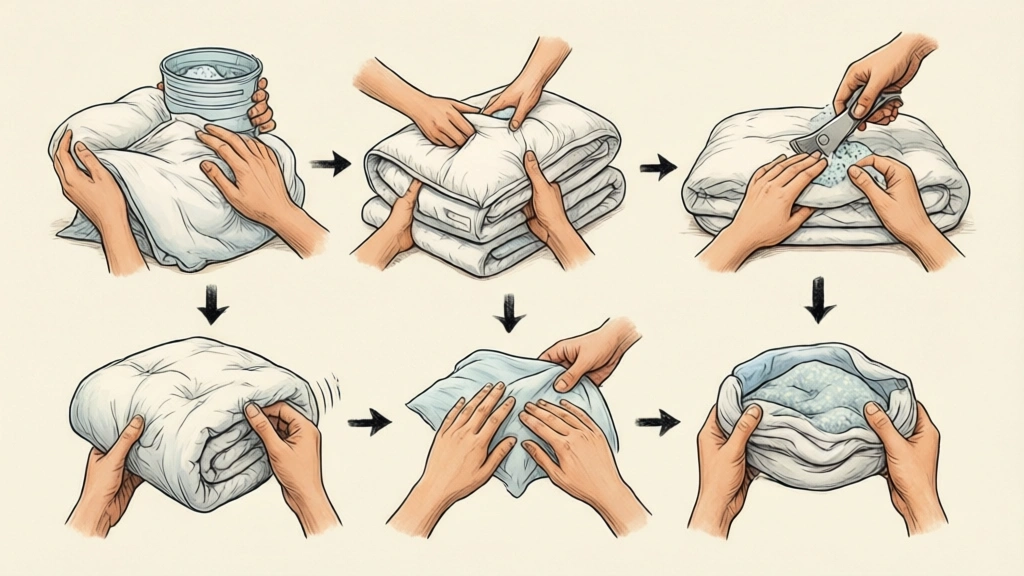
Unfurl the comforter entirely. Never ball it up or stuff it into the appliance. Create a loose, accordion-like fold and place it inside the drum to maximize surface area exposure. Introduce three clean wool dryer balls or specialized rubber laundry spheres. These objects act as mechanical disruptors, breaking up damp clumps of down or synthetic clusters to facilitate thermal penetration into the core.
Phase 3: Thermal Selection and Interval Interruption
Select the lowest viable heat setting. Down requires low heat or an air-fluff cycle to prevent the natural oils on the plumes from scorching and brittle-breaking, while synthetic fills like polyester microfiber tolerate medium heat. Set the timer for 30-minute intervals. Do not rely on automated moisture sensors; dense fillings create humidity pockets that trick sensors into ending the cycle prematurely.
Phase 4: Mid-Cycle Redistribution and Filter Hygiene
When the 30-minute timer lapses, open the door, pull the comforter out completely, and manually shake it out to redistribute the internal fill. Inspect the lint trap. Thick comforters shed massive volumes of microfibers that choke exhaust airflow within minutes. Clear the lint screen completely before restarting the cycle. Repeat this extraction, shaking, and venting loop every 30 minutes until the core registers zero cool spots.
Commercial Laundromat vs. Residential Dryer Capacities
Physics dictates that heat transfer requires active air circulation. A standard residential dryer features a drum volume ranging from 7.0 to 7.4 cubic feet. While this suffices for daily apparel and standard sheet sets, a King-size down or heavy synthetic comforter requires at least 7 to 9 cubic feet of free air space simply to tumble without compressing against the glass and exhaust ports.
When a comforter fills more than 50 percent of a residential drum, convective airflow drops to near zero. The outer layers absorb intense radiant heat from the drum walls while stagnant, moisture-laden air traps itself in the center. According to the Energy Star Appliance Efficiency Guidelines, restricting drum airflow forces the heating element to run continuously, which spikes thermal energy consumption and risks thermal degradation of the fabric shell.
If your residential unit struggles to circulate air around a bulky item, or if the thermal overload switch trips mid-cycle, transport the bedding to a commercial laundromat. Industrial dryers offer 12 to 18 cubic feet of drum volume paired with high-velocity centrifugal blowers. These commercial systems evacuate moisture in a fraction of the time, preserving the loft and structural integrity of expensive luxury textiles.
Recommended Tools That You Need

Organic Wool Dryer Balls Laundry Reusable

Wool Dryer Balls XL 4-Pack –

Premium New Zealand Wool Dryer Balls
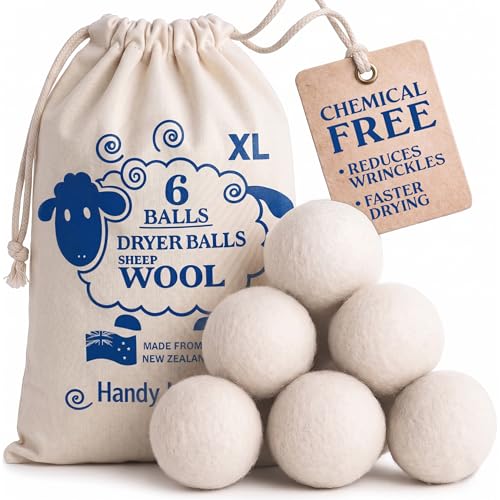
Handy Laundry Wool Dryer Balls 6-Pack

Otylzto Wool Dryer Balls 6-Pack, Drying
To execute this protocol safely, ensure you have the right accessories on hand: Amazonwool dryer balls for laundry , a digital infrared thermometer to spot-check core temperatures, and a soft-bristled brush to keep exhaust vents clear of lint blockages.
Frequently Asked Questions
How do I dry a down comforter without ruining the feathers?
Down requires strict thermal management to preserve the natural keratin proteins and protective oils of the plumage. Always select the lowest heat setting or an air-fluff cycle. High heat strips these oils away, leaving feathers brittle and prone to breaking into dust. Combine low heat with balanced kinetic agitation using wool dryer balls, and pause the cycle every 25 minutes to manually pull apart clumps and shake the comforter out.
Why does my comforter still feel damp in the middle after a full drying cycle?
This occurs due to thermal sensor deception and inadequate core airflow. Dense bedding traps moisture in the center while the exterior layers dry rapidly under direct drum heat. The dryer's internal moisture sensors detect the dry exterior and shut off the cycle prematurely. To fix this, ignore automated sensor cycles, run timed intervals of 30 minutes, and manually redistribute the material between each run.
Can I use tennis balls in the dryer for a synthetic fill comforter?
While tennis balls are a common DIY fix, they are rarely ideal. Traditional tennis balls often feature a felt exterior that sheds micro-particles and can transfer yellow fabric dyes onto light-colored comforters under high friction and heat. Furthermore, rubber tennis balls can emit a strong rubber odor when heated. Unscented, 100% natural wool dryer balls are the superior, non-toxic alternative for breaking up clumps.
What should I do if my comforter has a slight mildew smell after drying?
A mildew odor indicates that moisture lingered in the core too long during the drying cycle, allowing microbial growth. Do not simply re-dry the item, as this bakes the spores into the fibers. Re-wash the comforter immediately on a warm water cycle with one cup of white vinegar to neutralize the odor, ensure a maximum-speed spin extraction, and dry it immediately using the interrupted multi-cycle low-heat method.
Is it better to air dry a king-size comforter or take it to a laundromat?
Air-drying a king-size comforter outdoors is rarely recommended for thick fills. Prolonged exposure to ambient humidity prevents the inner core from drying quickly enough, leading to mold development within 24 to 48 hours. If your home dryer drum capacity is under 7.5 cubic feet, taking the comforter to a commercial laundromat with high-capacity industrial tumbling units is the safest, most efficient method.
Conclusion
Properly drying a bulky comforter is an exercise in thermal patience and fluid dynamics rather than brute-force heat. By utilizing high-G spin extractions, maintaining strict filter hygiene, pausing cycles for manual redistribution, and matching drum volume to textile size, you protect the loft and lifespan of your bedding investment. Prioritize low heat, consistent agitation, and complete core moisture evacuation to achieve professional results at home.